My first night in Bilbao I stood in a Casco Viejo bar elbowing for space at a counter stacked with pintxos, trying to figure out the rules. A white-haired man took pity, pointed at a gilda — olive, anchovy, guindilla pepper on a stick — and said "start there, then txakoli." I did. The wine came poured from a height, fizzing into the glass. An hour and six pintxos later I understood why this gritty old port quietly became the best eating city in Spain. Then I saw the Guggenheim lit up over the river and forgot about food entirely.
The Perfect Bilbao Itinerary (2, 3, 4 & 7 Days)
📅 Planning your dates? See the best time to visit Bilbao — season-by-season weather, crowds, and prices.
Two days is the essential Bilbao: the Guggenheim and the riverside walk on Day 1, then the Casco Viejo old town and a pintxos crawl on Day 2. It's a compact, walkable city with a brilliant metro, so you won't need a car. Eat standing up; that's the whole point here.
Pintxos etiquette: order hot ones from the bar menu, grab cold ones from the counter, keep your toothpicks so they can tally your bill, and never overstay one bar. Crawl.
72 Hours: Add the Bellas Artes and the Funicular
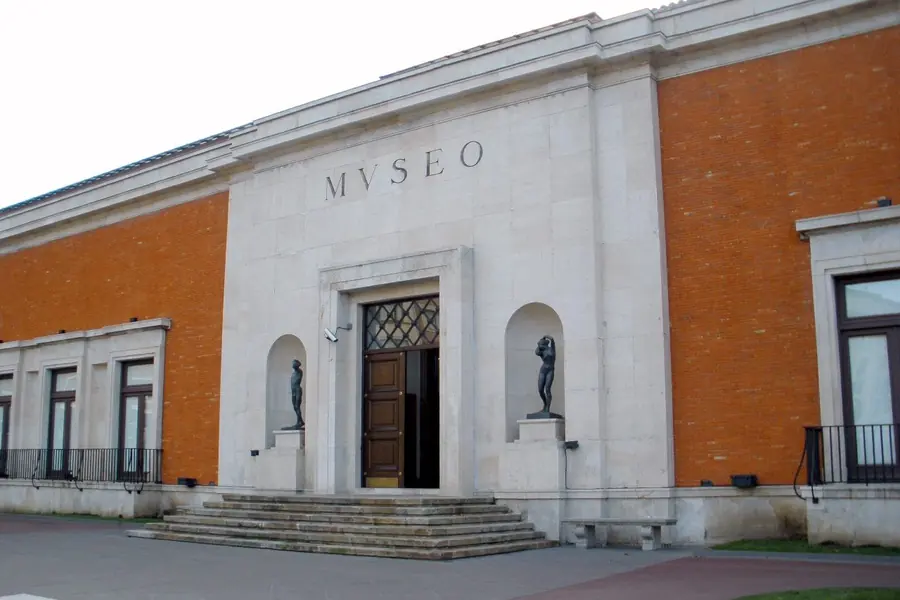
Three days adds the excellent Museo de Bellas Artes (a quieter rival to the Guggenheim), the Mercado de la Ribera, and the Artxanda funicular for the city's best panorama. Day 3 is when Bilbao reveals it has more depth than one famous building.
4 Days: San Sebastian Day Trip
Four days demands the day trip everyone wants: San Sebastian, an hour east, with its perfect crescent beach and the highest concentration of Michelin stars on earth. Eat your way through the old town's pintxos bars, swim at La Concha, and come home spoiled.
7 Days: The Basque Coast and Rioja
A week opens up the whole Basque Country — the dramatic coast at Gaztelugatxe and Mundaka, the Vizcaya Bridge, the inland wine region of Rioja Alavesa, and Vitoria-Gasteiz. By Day 5 you'll be pouring txakoli from a height yourself and arguing about whose gilda is best. That's when you've gone properly Basque.
Estimated budget:$240-$460
Estimated budget:$350-$680
Estimated budget:$480-$940
Estimated budget:$860-$1,700
[ THE DISPATCH · FIELD MAP ]
A tilted, hand-drawn dispatch of Bilbao. Click a quarter to explode it open.
0 / 6 quarters explored
Legend · tap to highlight
[ ABANDOIBARRA ]
Where the city meets the water.
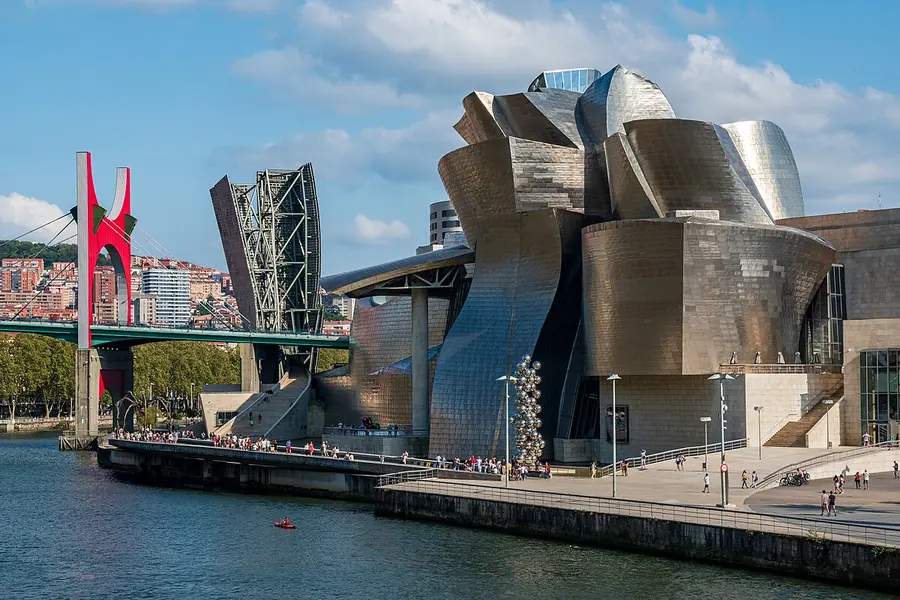
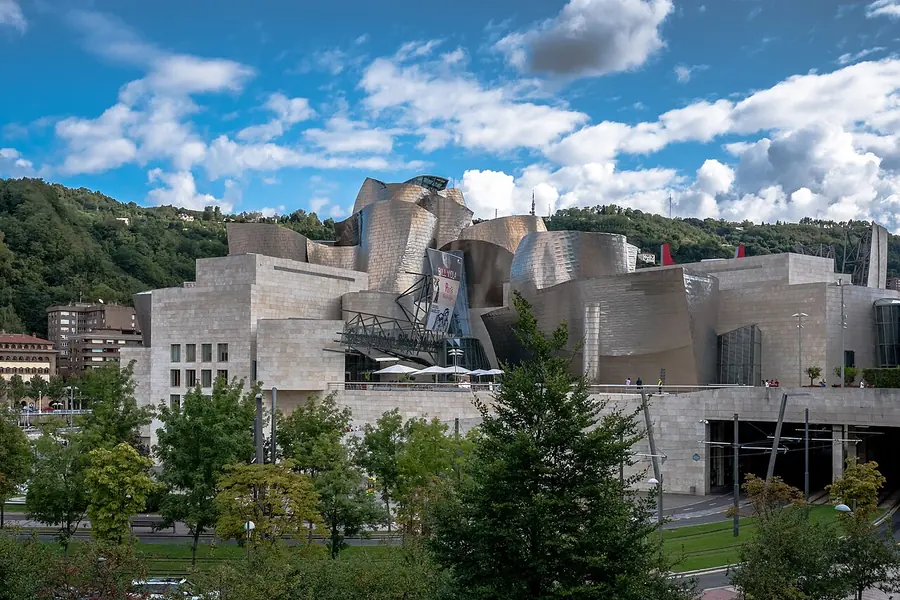
Guggenheim Museum BilbaoFrank Gehry's titanium ship that single-handedly put a dying industrial port back on the map.
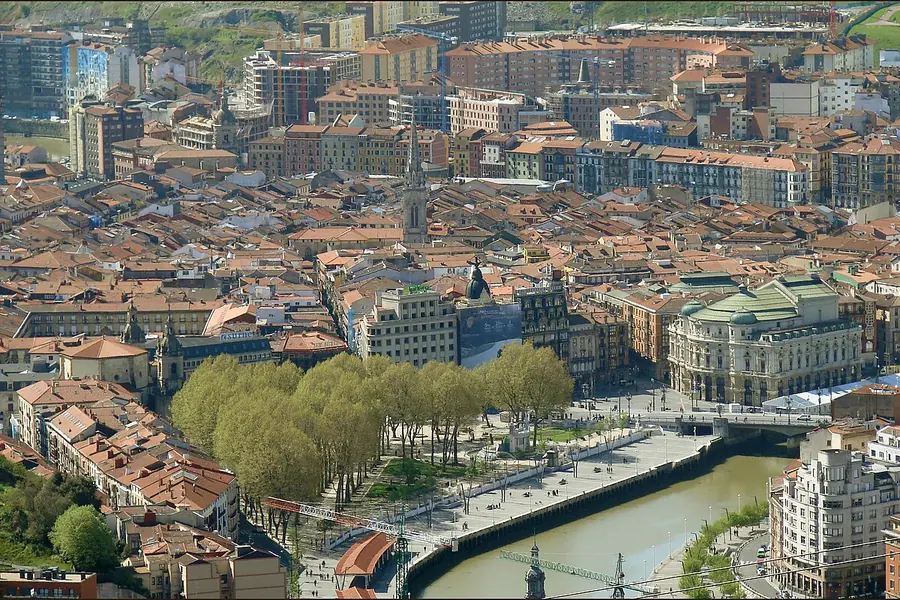
Nervion riverside + Zubizuri bridgeA revitalised riverbank of bridges, towers, and the city's reinvention story.
[ ENSANCHE / GRAN VIA ]
Grand squares and big ideas.
Pintxos in the EnsancheThe elegant 19th-century grid, and a first proper pintxos night.
[ CASCO VIEJO (OLD TOWN) ]
Old stones, older stories.
Casco Viejo + Siete CallesThe medieval Seven Streets — Bilbao's atmospheric old town and its beating soul.
Mercado de la RiberaOne of Europe's largest covered markets, in an Art Deco hall on the river.
[ DONA CASILDA & BELLAS ARTES ]
Green breathing room.
Museo de Bellas ArtesBilbao's other great museum — calm, free-ish, and stronger than its famous neighbour expects.
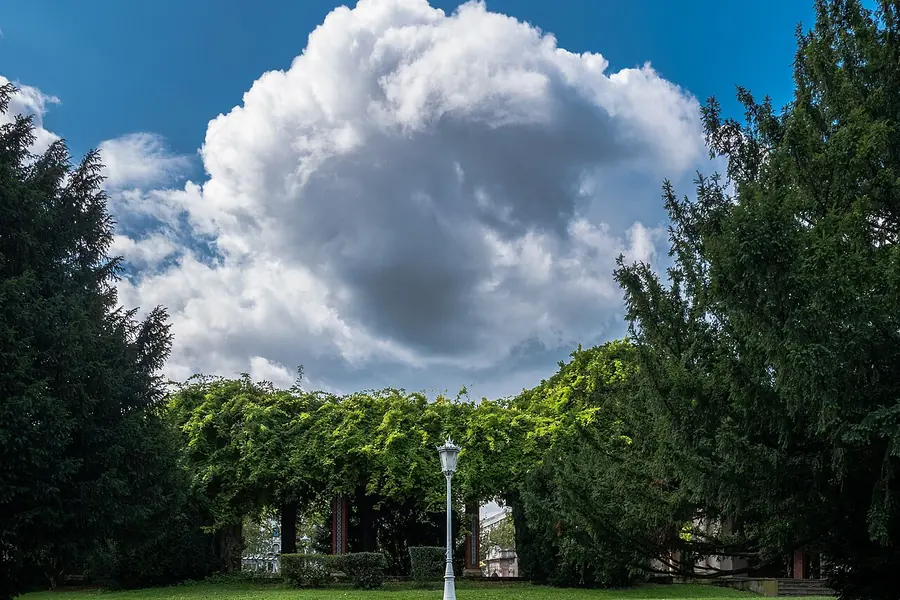
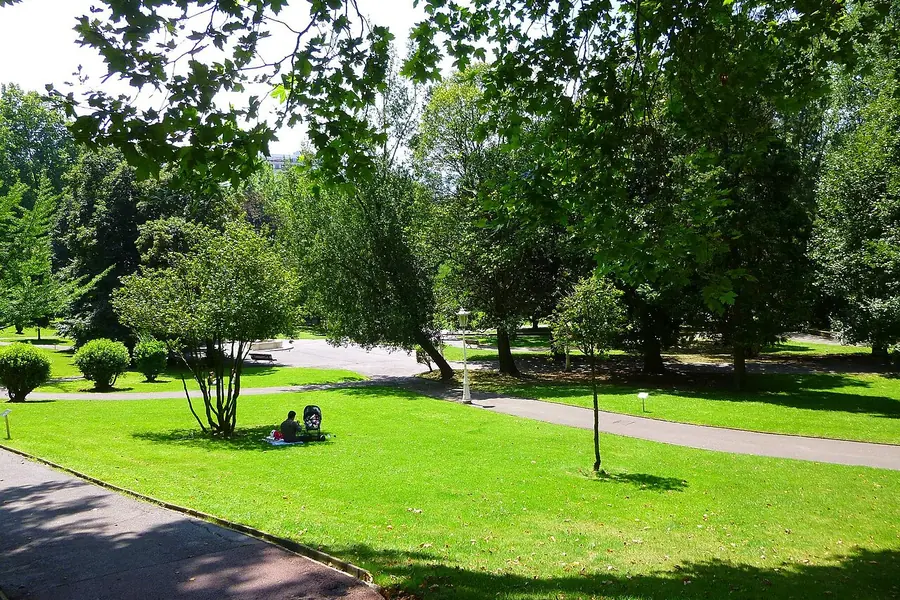
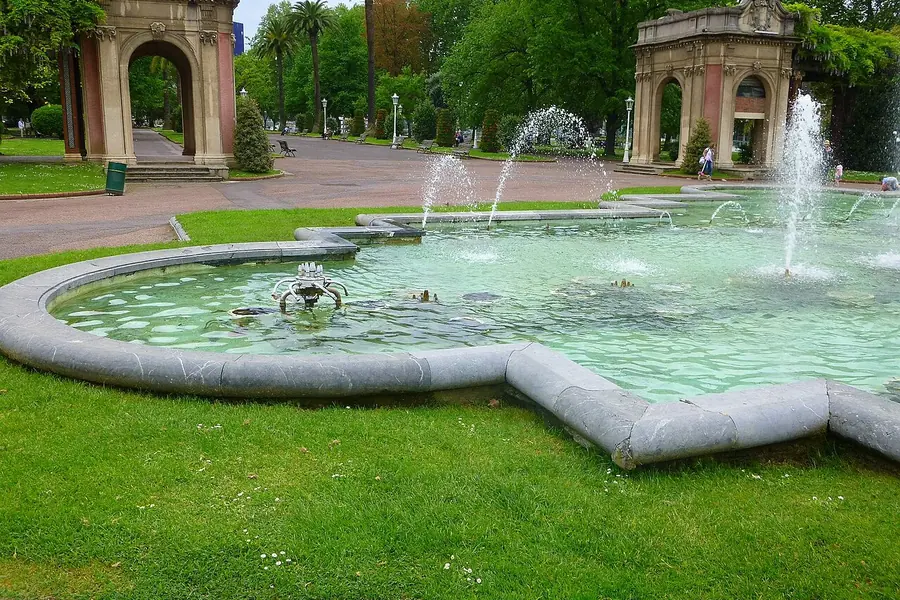
Parque de Dona Casilda IturrizarBilbao's elegant English-style park, all duck ponds, fountains, and shade.
[ ARTXANDA ]
Green breathing room.
Artxanda funicular + viewpointA 100-year-old funicular up to the best panorama of the whole river valley.
[ NERVION ESTUARY ]
Where the city meets the water.
Vizcaya Bridge (Puente Colgante)The world's first transporter bridge, a UNESCO-listed icon of the industrial age.
Farewell pintxos crawlOne last gilda, one last txakoli, poured from a height for the road.
Day 1
Guggenheim + the River + Abandoibarra
The titanium masterpiece that rebuilt a city
Guggenheim Museum Bilbao
Frank Gehry's titanium ship that single-handedly put a dying industrial port back on the map.
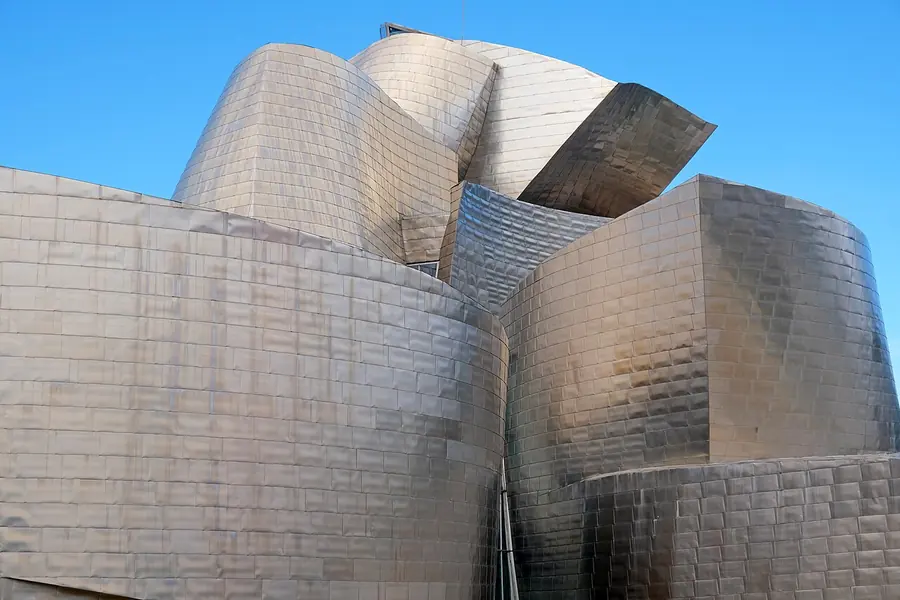
The Guggenheim Bilbao, Frank Gehry's 1997 masterpiece of swirling titanium, did something almost no building ever does: it saved a city. The "Bilbao effect" turned a declining steel port into a cultural destination overnight. The building outshines much of what's inside, but the Richard Serra room (The Matter of Time) is unforgettable, and Jeff Koons's flower-covered Puppy guards the entrance. Walk the whole exterior; the river facade is the money shot.
A revitalised riverbank of bridges, towers, and the city's reinvention story.
The walk along the Nervion is Bilbao's regeneration in built form: the Calatrava-designed Zubizuri footbridge (whose glass deck is famously slippery in rain), the Iberdrola Tower, and the riverside park of Abandoibarra. Maman, Louise Bourgeois's giant bronze spider, lurks by the Guggenheim. Grab lunch at one of the riverside terraces and watch joggers, rowers, and the city at ease with itself.
Pintxos in the Ensanche
The elegant 19th-century grid, and a first proper pintxos night.
The Ensanche is Bilbao's grand 19th-century expansion — wide boulevards, the Gran Via shopping street, and a more refined pintxos scene than the old town. Start around Plaza Moyua and Calle Ledesma, a strip thick with bars. Order a few hot pintxos, a glass of crisp white Rioja or txakoli, and ease into the Basque rhythm of small plates and constant movement.
Day 2
Casco Viejo + Mercado + Pintxos Crawl
The medieval old town and the city's eating heart
Casco Viejo + Siete Calles
The medieval Seven Streets — Bilbao's atmospheric old town and its beating soul.
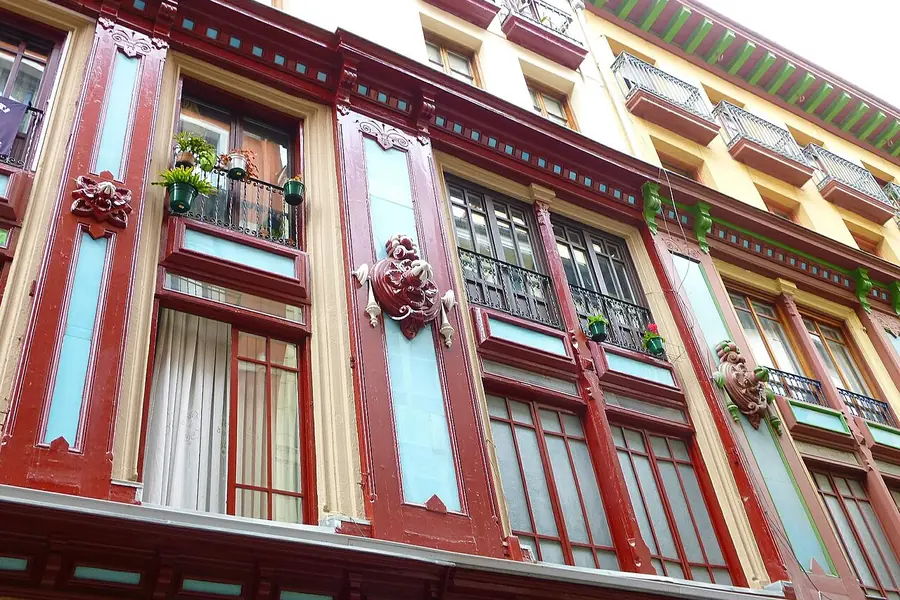
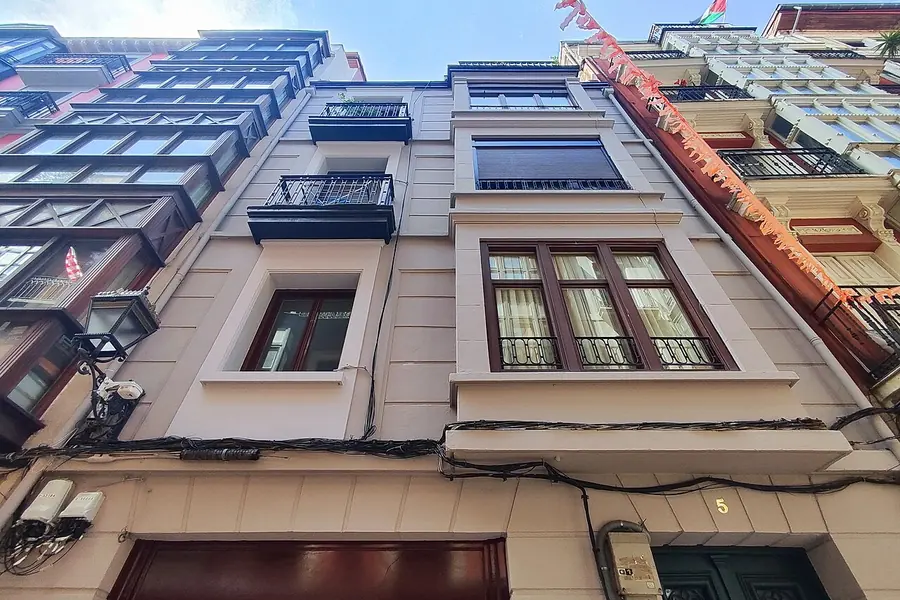
The Casco Viejo, built around the original Siete Calles (Seven Streets), is medieval Bilbao: narrow lanes, the Gothic Catedral de Santiago, the arcaded Plaza Nueva, and shop after shop of cheese, wine, and txapelas (Basque berets). It's tighter, older, and grittier than the Ensanche, and it's where Bilbao feels most itself. Wander the lanes and let the bar smells pull you in.
One of Europe's largest covered markets, in an Art Deco hall on the river.
The Mercado de la Ribera, a sleek 1929 Art Deco market hall on the riverbank, is one of the largest covered markets in Europe. The lower floors are a working produce and fish market; the upper level is a buzzing food court of pintxos and txakoli stalls. Come hungry, graze your way along the counters, and watch locals do their daily shop below. The stained-glass windows are gorgeous.
Plaza Nueva pintxos crawl
The arcaded square where Bilbao crawls bar to bar, gilda to gilda.
The Plaza Nueva and the streets of the Casco Viejo are pintxos ground zero. The crawl is the method: one or two pintxos and a drink per bar, then move. Gure Toki and Sorginzulo on the square do inventive bites; Bar Charly and the classic counters do gildas and tortilla. Order a zurito (small beer) or txakoli at each, keep moving, and pace yourself — there are a lot of bars and the night is long.
Day 3
Bellas Artes + Doña Casilda Park + Artxanda
Quiet art, a leafy park, and the city from above
Museo de Bellas Artes
Bilbao's other great museum — calm, free-ish, and stronger than its famous neighbour expects.
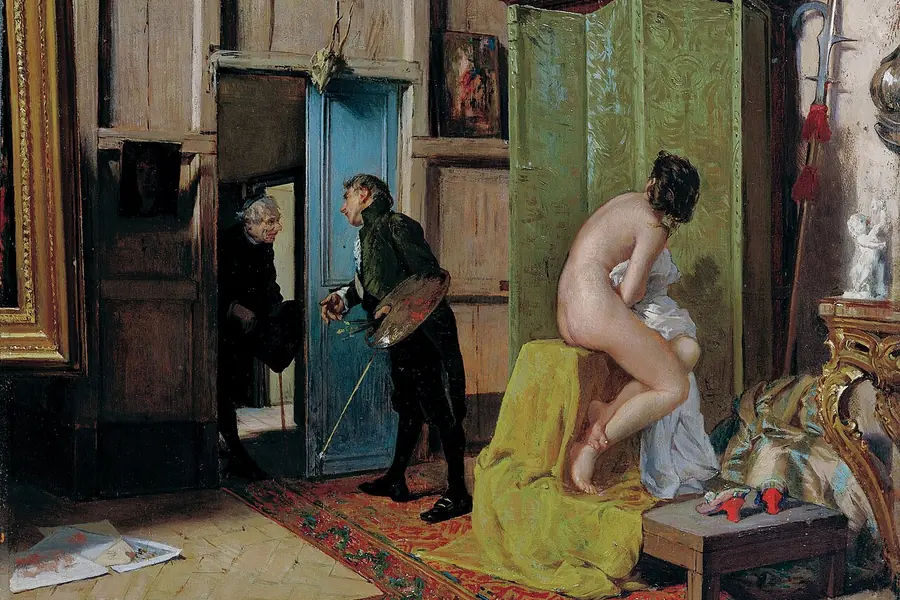
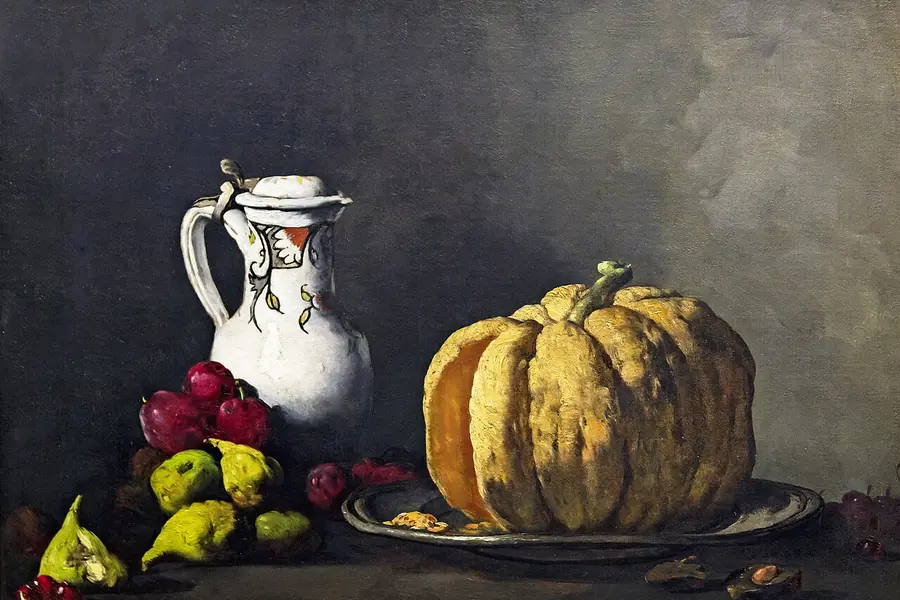
The Museo de Bellas Artes is the Guggenheim's quieter, older rival and arguably a better art experience — a deep collection running from El Greco, Goya, and Zurbaran to Basque painters and modern work, in a recently expanded building. It's rarely crowded and often the locals' favourite. Spend a calm hour or two here after the spectacle of the Guggenheim; it's the substance to the other's style.
Bilbao's elegant English-style park, all duck ponds, fountains, and shade.
Right by the Bellas Artes, the Parque de Dona Casilda is Bilbao's beloved central park — a romantic 19th-century English-style garden of ponds, a cybernetic fountain, peacocks, and big shade trees. Locals call it "the duck park." It's the perfect place to slow down with an ice cream between museums, and a reminder that Bilbao does green just as well as it does industrial cool.
A 100-year-old funicular up to the best panorama of the whole river valley.
The Funicular de Artxanda, running since 1915, hauls you up the mountain on the city's north side in three minutes to a viewpoint that lays out all of Bilbao — the river curling through the valley, the Guggenheim glinting, the green hills beyond. Go near sunset, when the light is golden and the city begins to twinkle. There's a restaurant and a leafy park up top if you want to linger.
Day 4
San Sebastian Day Trip
The most beautiful beach city in Spain, an hour east
La Concha beach + Monte Igueldo
A perfect shell-shaped bay rimmed by the most elegant promenade in Spain.
San Sebastian (Donostia) is an hour east by bus or car, and La Concha is its star — a flawless crescent of golden sand wrapped around a sheltered bay, backed by a belle-epoque promenade. Walk the railing, swim if it's warm, and ride the creaky old funicular up Monte Igueldo for the classic postcard view down the whole bay. It is, plainly, one of the great city beaches in the world.
Parte Vieja pintxos
The old town with the densest, most competitive pintxos scene on the planet.
San Sebastian's Parte Vieja (old town) is the holy land of pintxos — bars packed so tight with elaborate creations they look like edible jewellery. La Cuchara de San Telmo does seared foie and slow-cooked cheek; Bar Nestor is legendary for its tortilla and tomato salad (arrive early, there are two tortillas a day and they sell out). Crawl, graze, and accept you'll eat better here than almost anywhere.
Day 5
Gaztelugatxe + the Coast
A dragon-spine island church and the wild Basque coast
San Juan de Gaztelugatxe
A tiny island hermitage reached by 241 steps along a stone causeway — yes, the Dragonstone one.
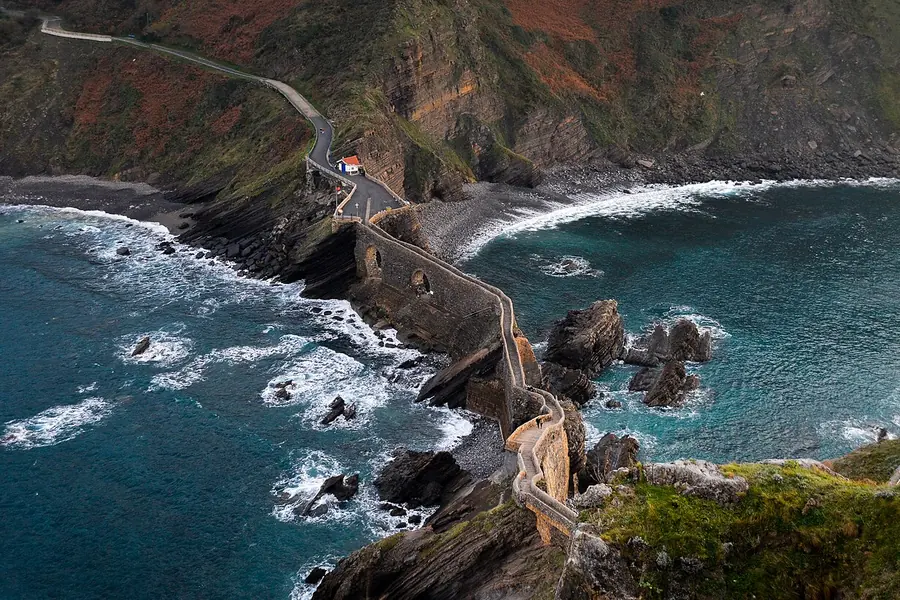
San Juan de Gaztelugatxe is the jaw-dropping rocky islet topped by a 10th-century hermitage, reached by a serpentine stone bridge and 241 steps. Game of Thrones fans know it as Dragonstone. The climb is a workout and the wind off the Bay of Biscay is real, but the views of the rugged coast are spectacular. Book a (free) timed entry slot in advance — they limit numbers, and it's deservedly popular.
A world-famous surf break and a working fishing port for a seafood lunch.
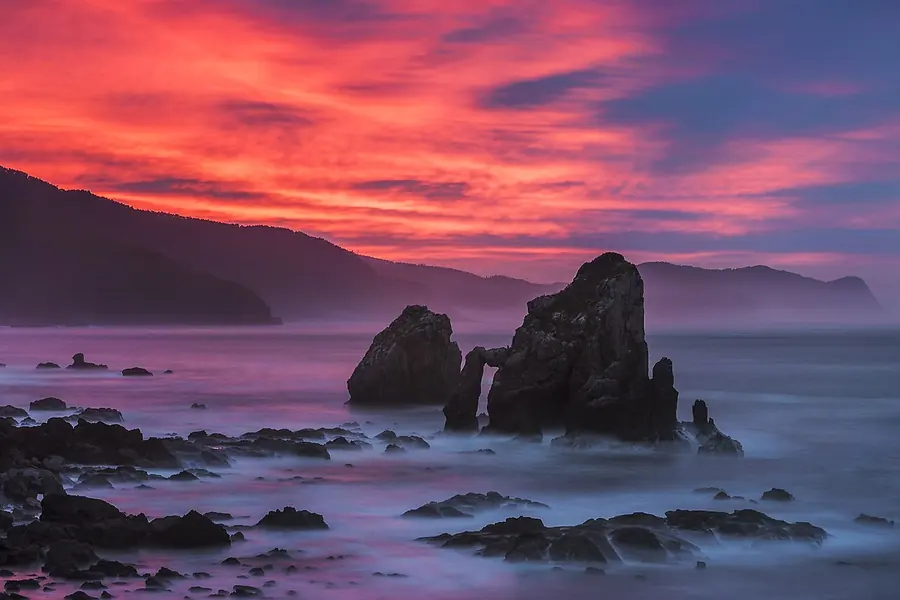
Nearby Mundaka is a pretty estuary village famous among surfers for its long left-hand wave, and a lovely spot for a coastal stroll. Bermeo, just up the coast, is a colourful working fishing port where you can eat the catch of the day at a harbourside restaurant. Together they're the perfect slow afternoon on the Basque coast after a strenuous Gaztelugatxe morning.
Day 6
Rioja Alavesa Wine Country
Tempranillo, space-age bodegas, and a long Basque lunch
Laguardia + Marques de Riscal
A walled medieval wine town and a Gehry-designed bodega that looks like spilled foil.
Rioja Alavesa, the Basque slice of Rioja wine country, is an hour south. The walled hilltop town of Laguardia is a perfect medieval maze sitting atop a honeycomb of underground wine cellars. Nearby, Marques de Riscal's bodega wears another Frank Gehry titanium roof, a rural cousin to the Guggenheim. Tour a winery, taste the tempranillo, and admire vineyards rolling toward the Sierra de Cantabria.
A Rioja vineyard lunch
Lamb chops over vine cuttings and a bottle of reserva among the vines.
Long lunch is the whole point of a Rioja day. Many bodegas and the village restaurants of Laguardia and Elciego serve the regional classic: chuletillas (lamb chops) grilled over vine-shoot embers, plus patatas a la riojana and a generous pour of local reserva. Eat slowly on a terrace with the vineyards spread below, then have your driver point the car back toward Bilbao before the wine fully lands.
Day 7
Vizcaya Bridge + Bilbao Farewell
An industrial wonder and a last pintxos night
Vizcaya Bridge (Puente Colgante)
The world's first transporter bridge, a UNESCO-listed icon of the industrial age.
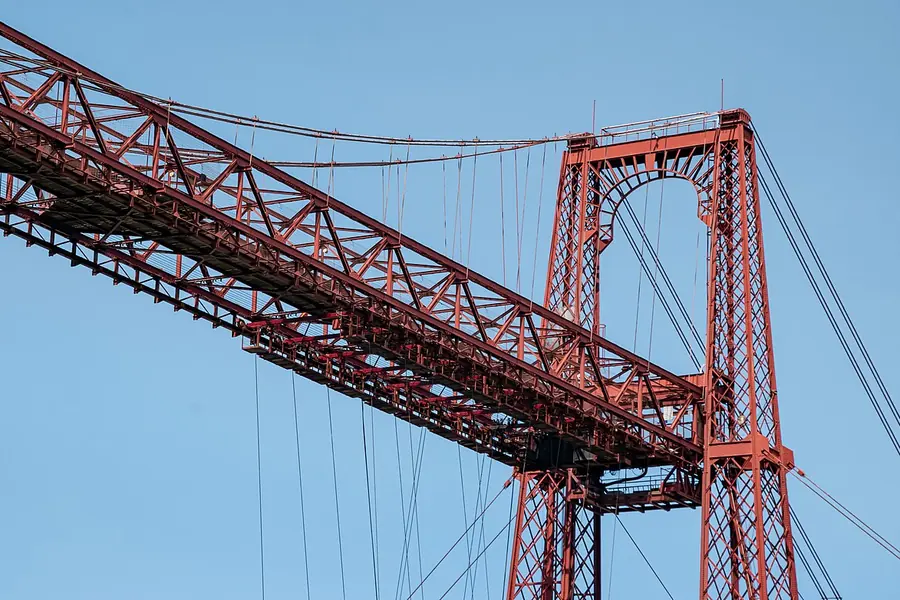
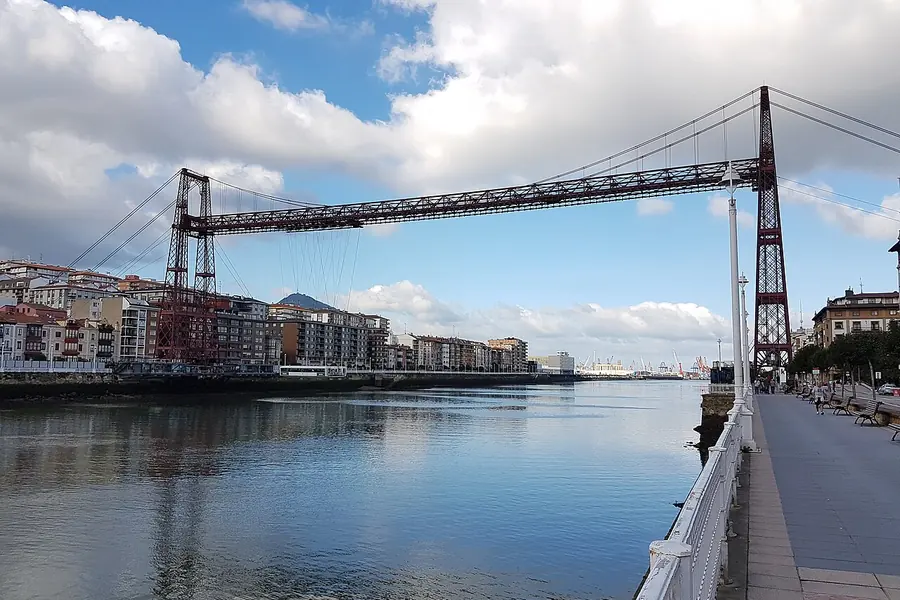
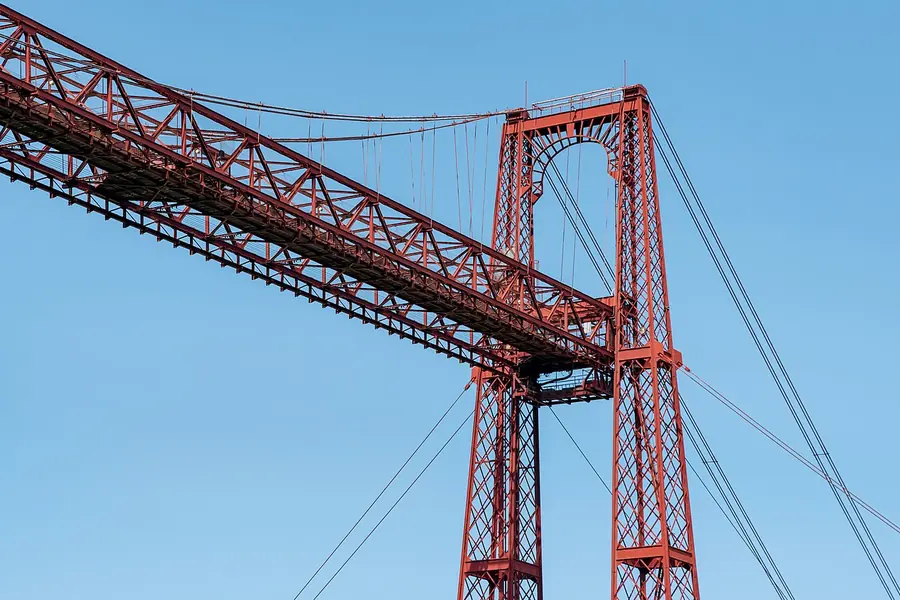
The Vizcaya Bridge, downriver in Portugalete, is a UNESCO World Heritage Site and the world's oldest transporter bridge — a soaring 1893 iron structure that ferries cars and people across the Nervion on a hanging gondola. Ride the gondola for the novelty, then take the lift up to the high walkway for vertiginous views over the estuary. It's a monument to the industrial Bilbao the Guggenheim helped the city move past.
One last gilda, one last txakoli, poured from a height for the road.
End where Bilbao lives — at a counter. Do a final crawl through the Casco Viejo or the Ledesma strip: a gilda to start, a few of your now well-rehearsed favourites, a glass of txakoli poured fizzing from on high. By now you keep your toothpicks for the bill, you order in Basque-tinged Spanish, and you never overstay a bar. Raise the last zurito to the gritty port that titanium and anchovies made cool again.
Bilbao is the great comeback story of European cities. Thirty years ago it was a declining steel-and-shipping port, grey and post-industrial, the kind of place you changed trains in. Then a titanium spaceship of a museum landed on the riverbank and changed everything. Today it’s one of the most quietly satisfying city breaks in Spain — and, crucially, it eats better than almost anywhere on the continent.
The honest pitch is this: come for the Guggenheim, stay for the pintxos. The museum is genuinely worth the trip, but Bilbao’s real magic is the nightly ritual of crawling counter to counter in the Casco Viejo, balancing a gilda and a glass of fizzy txakoli, never staying anywhere too long. It’s also the perfect base for the wider Basque Country — the beaches of San Sebastian, the wild coast at Gaztelugatxe, the wine of Rioja Alavesa.
The 2/3/4/7-day versions scale from the city core outward. Two days is the Guggenheim and the old town. Four days adds San Sebastian. Seven days reaches the whole Basque coast and wine country.
A few practical notes. Bilbao’s metro is excellent and the city is compact — no car needed unless you’re doing the further day trips, where it helps. The weather is Atlantic, so pack a layer and expect some rain even in summer. Learn the pintxos rules (order hot ones, grab cold ones, keep your toothpicks) and you’ll fit right in. Use the duration filter above to build your version of the city that titanium and anchovies rebuilt.
This article contains affiliate links marked with rel="sponsored". We may earn a commission at no extra cost to you.