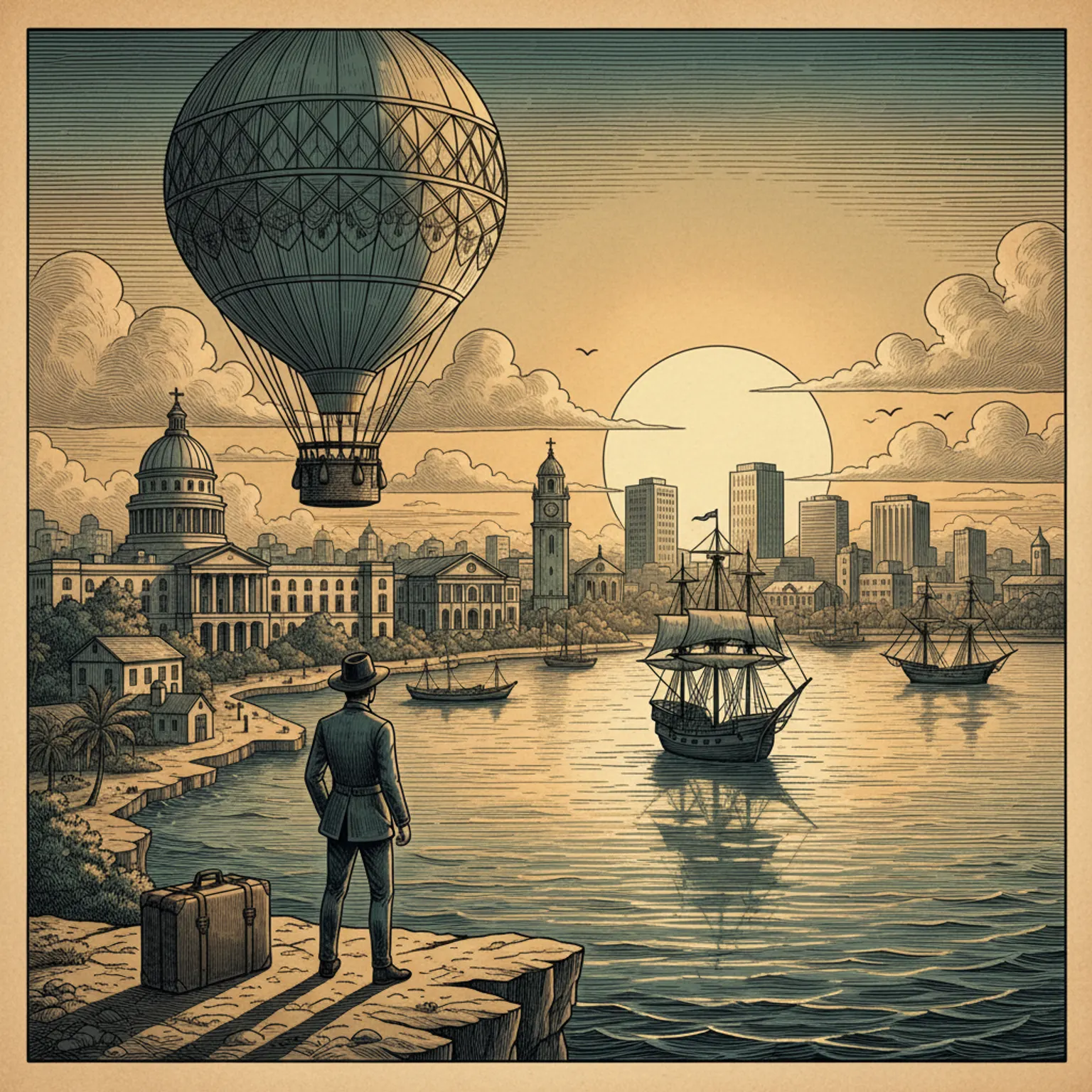
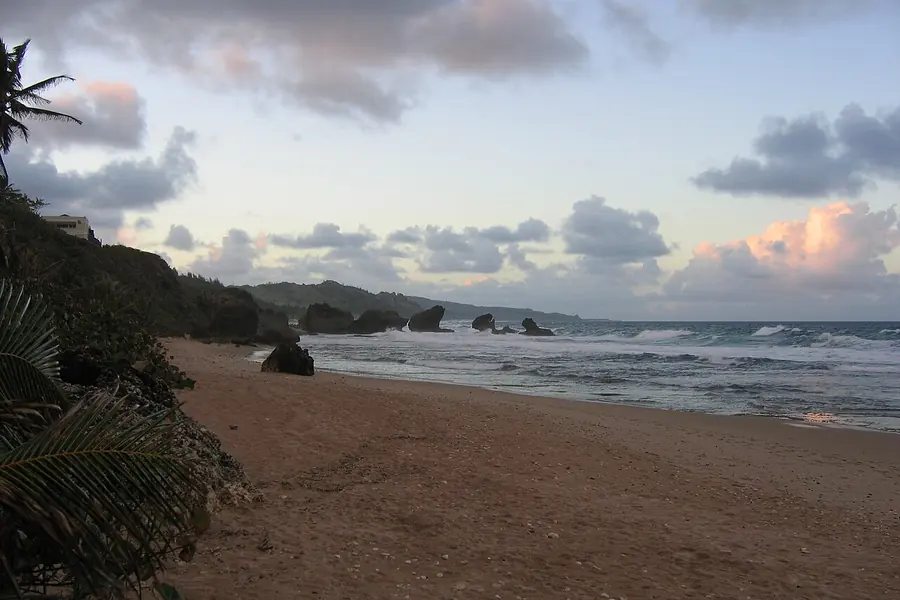
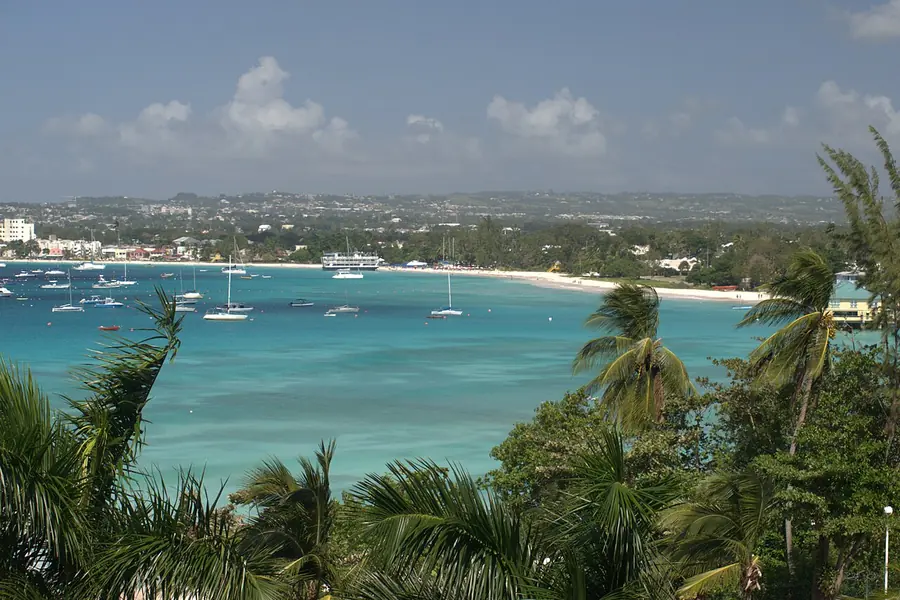
I'd been on the calm, postcard west coast of Barbados for three days, smug and sun-drunk, when a local taxi driver shook his head and drove me to the east coast instead. The Atlantic was hurling itself at black rocks, surfers were getting flattened at Bathsheba, and the wind nearly took my hat to Africa. "Now you've seen the real island," he said. He was right. Barbados is two countries pretending to be one, and the trick to a great trip is refusing to pick a side.
Two days is the classic Caribbean hit: the calm west-coast beaches, a snorkel with sea turtles and a shipwreck, and a rum-soaked Friday night at the Oistins fish fry. You won't see the wild side, but you'll leave grinning.
Rent a car or line up a trusted taxi. The island's small but the bus is slow and the good bits are spread out.
72 Hours: Cross to the Atlantic Coast
Three days adds the other Barbados — the dramatic east coast at Bathsheba, the Scotland District's green hills, and Hunte's Gardens. It's a totally different island over there: wilder, cooler, far fewer people.
4 Days: Caves, History, and the Capital
Four days lets you go underground at Harrison's Cave, wander UNESCO-listed Bridgetown and the Garrison, and dig into the rum and plantation history that shaped the place. Beach mornings, culture afternoons. The ideal balance.
7 Days: The Whole Island, Slowly
A week is enough to do Barbados at island pace — every coast, the southern surf and nightlife, a catamaran day, and time to develop a fierce loyalty to one beach bar and one rum. You'll leave already plotting how to come back.
Estimated budget:$320-$560 est. (1 hotel night, car/taxi, catamaran snorkel, Oistins)
Estimated budget:$560-$920 est. (2 nights, east-coast tour, gardens, fuel)
Estimated budget:$820-$1,350 est. (Harrison's Cave, rum tour, 3 nights, dining)
Estimated budget:$1,600-$2,800 est. (full week, mid-range lodging, all tours and coasts)
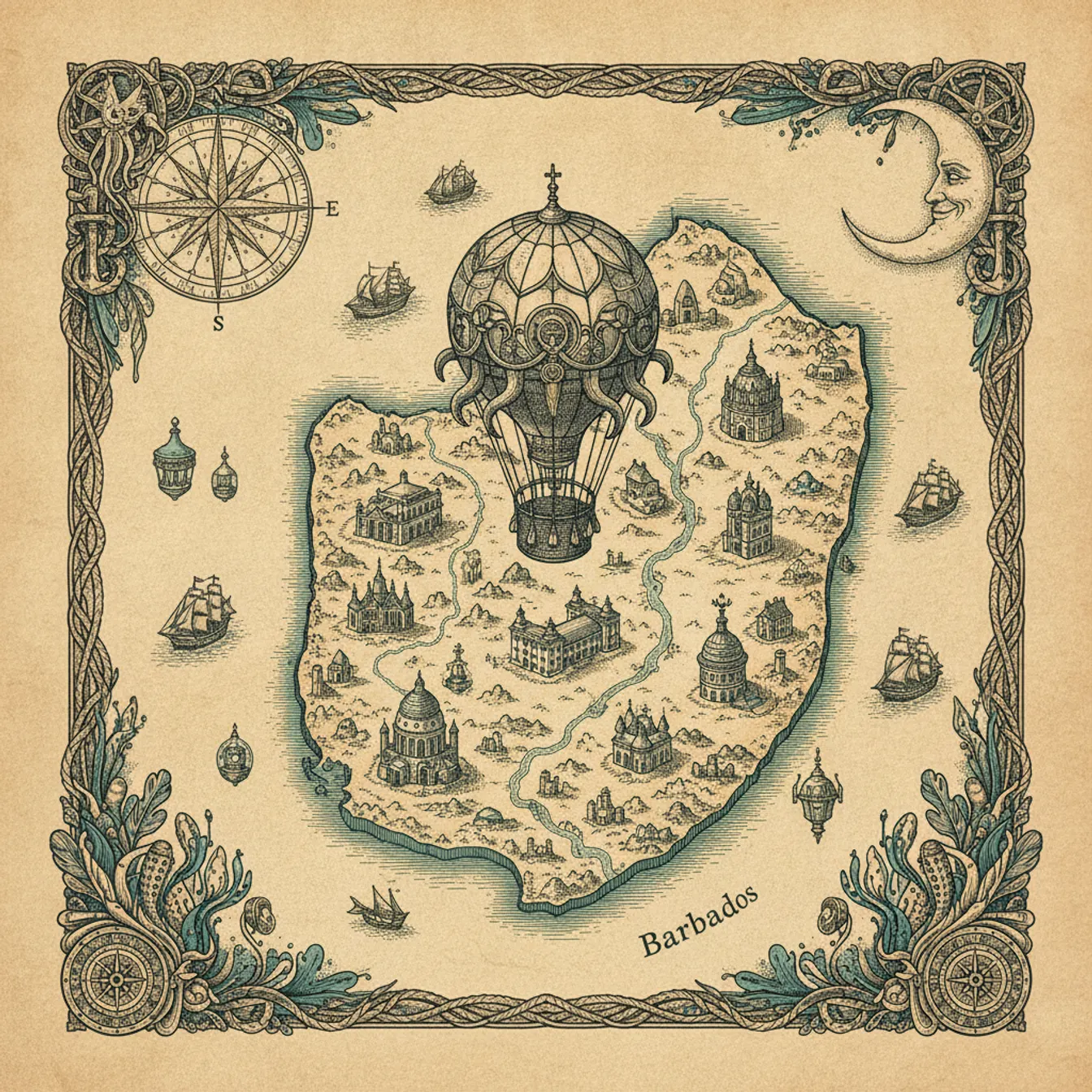
[ THE DISPATCH · FIELD MAP ]
A tilted, hand-drawn dispatch of Barbados. Click a quarter to explode it open.
0 / 6 quarters explored
Legend · tap to highlight
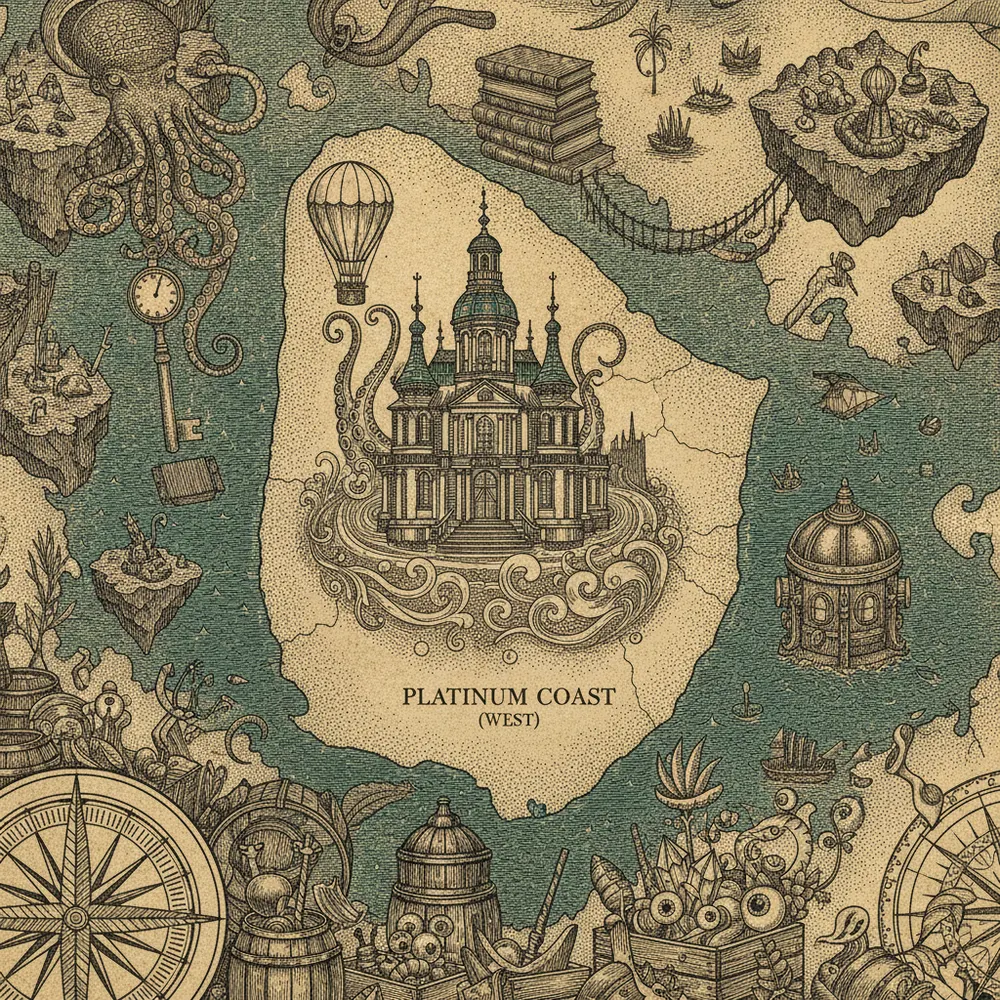
[ PLATINUM COAST (WEST) ]
Where the city meets the water.
Holetown + Folkestone snorkelCalm, clear west-coast water over a protected reef — the easy, gorgeous start.
Catamaran turtle & shipwreck snorkelSwim with wild green turtles and over a shallow wreck, drinks included. The signature day out.
[ SOUTH COAST & OISTINS ]
Stays up later than you do.
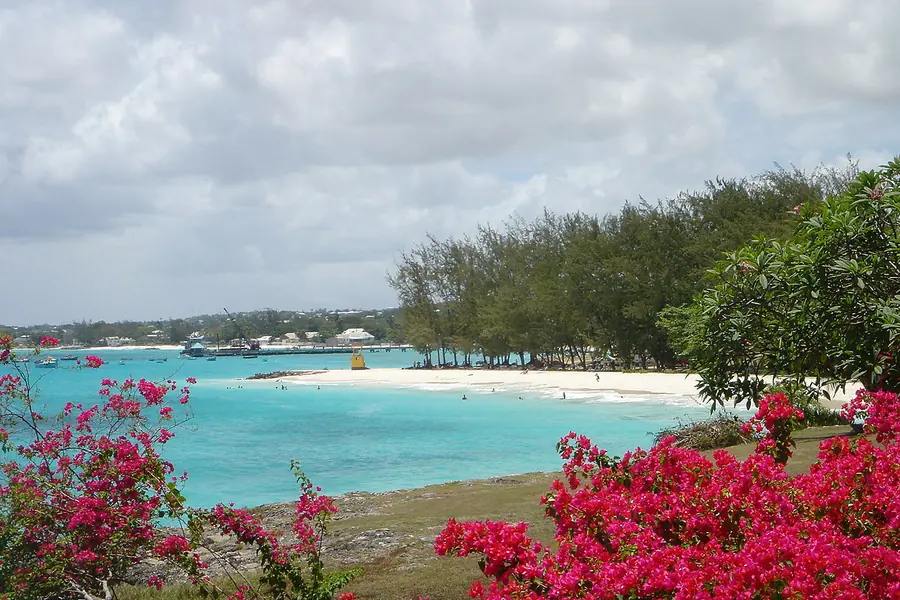
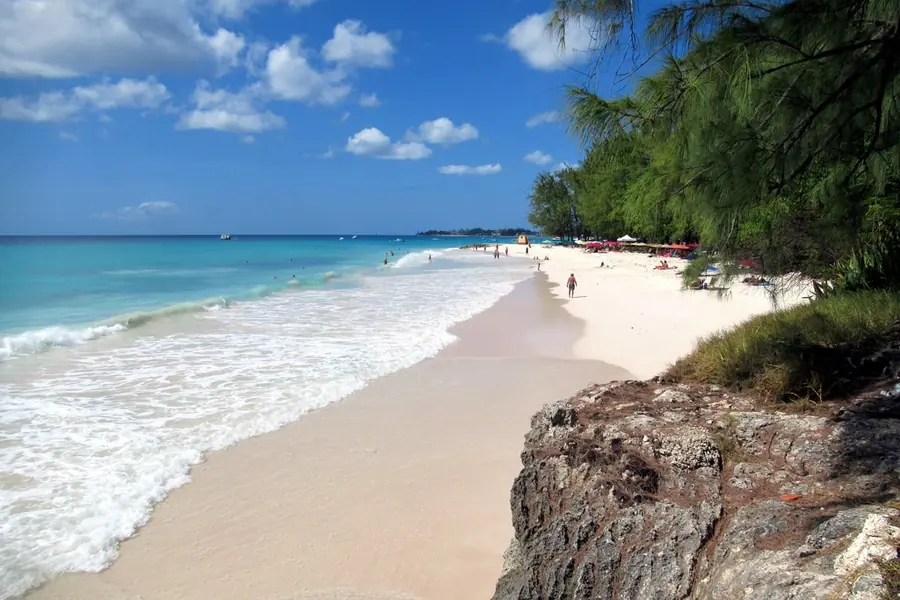
Miami Beach (Enterprise Beach)Locals' favourite south-coast strip — calm on one side, breezy and bodysurfable on the other.
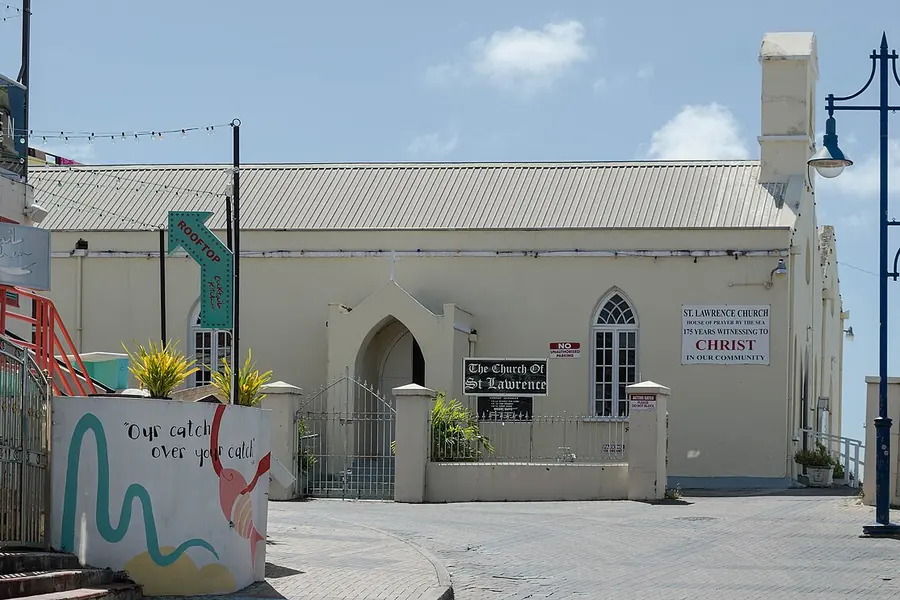
St Lawrence GapThe south coast's nightlife strip — bars, beach restaurants, and steel-pan evenings.
[ ATLANTIC EAST COAST ]
Boats, bridges and reflections.
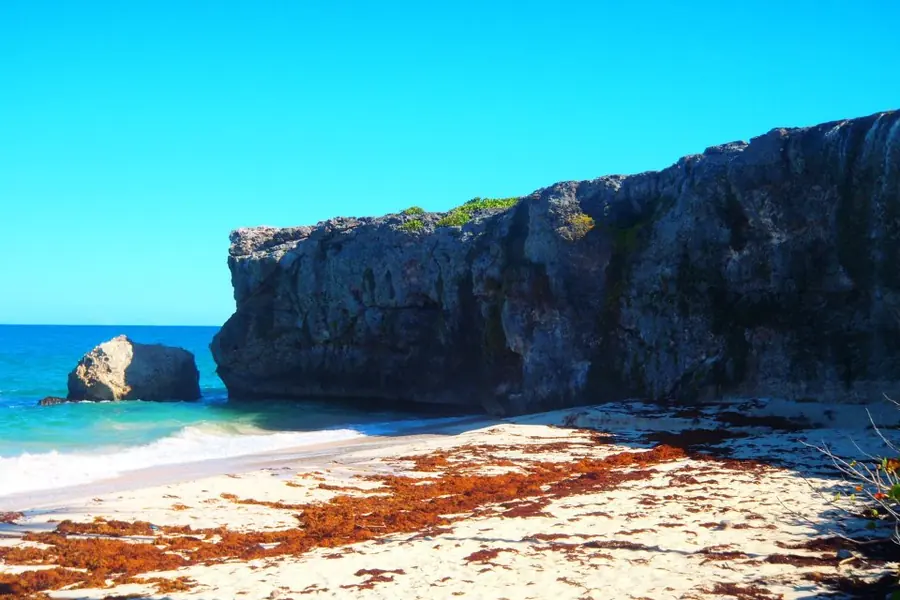
Bathsheba + Soup BowlMushroom-shaped rocks, world-class surf, and the Atlantic doing its dramatic best.
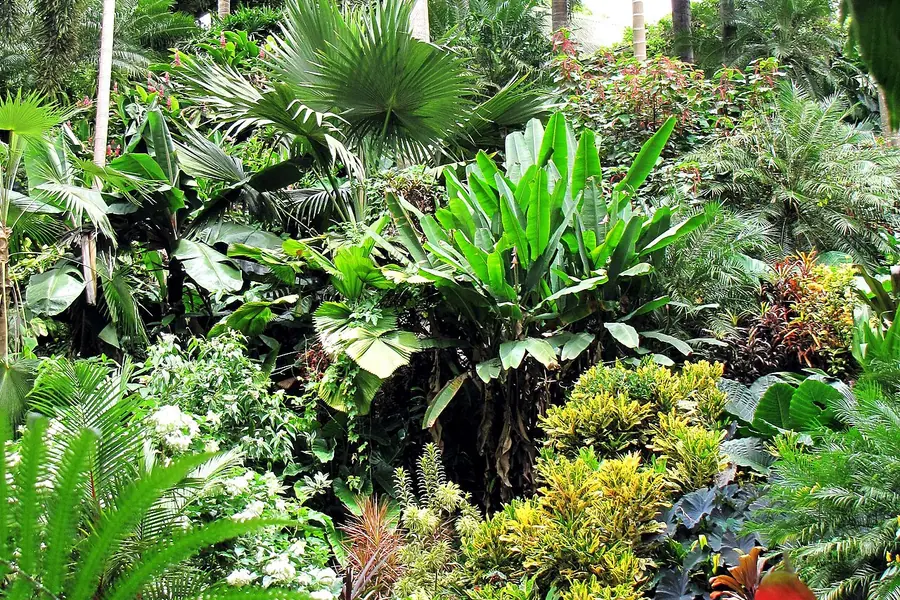
Hunte's GardensA theatrical sunken gully garden where the eccentric owner plies you with rum punch.
[ CENTRAL PARISHES ]
Green breathing room.
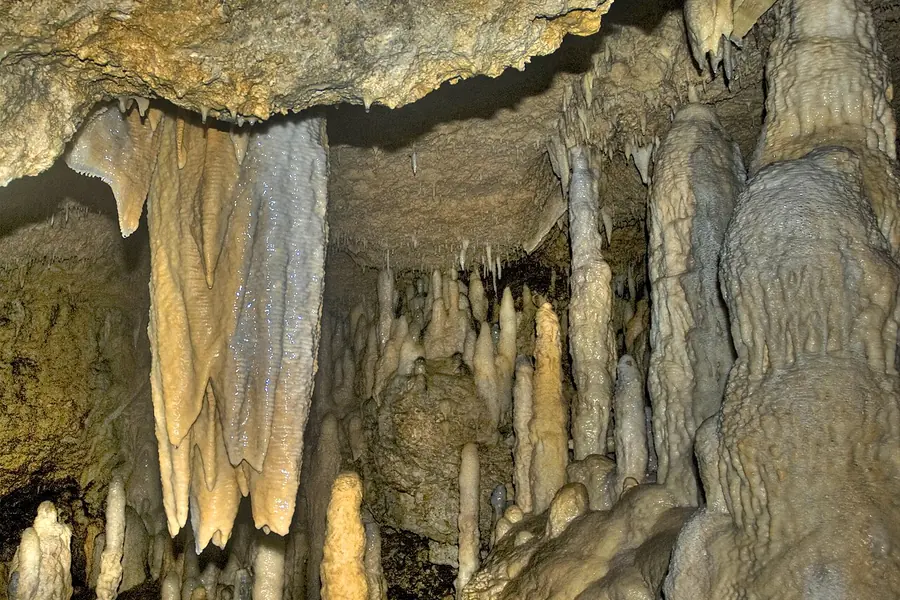
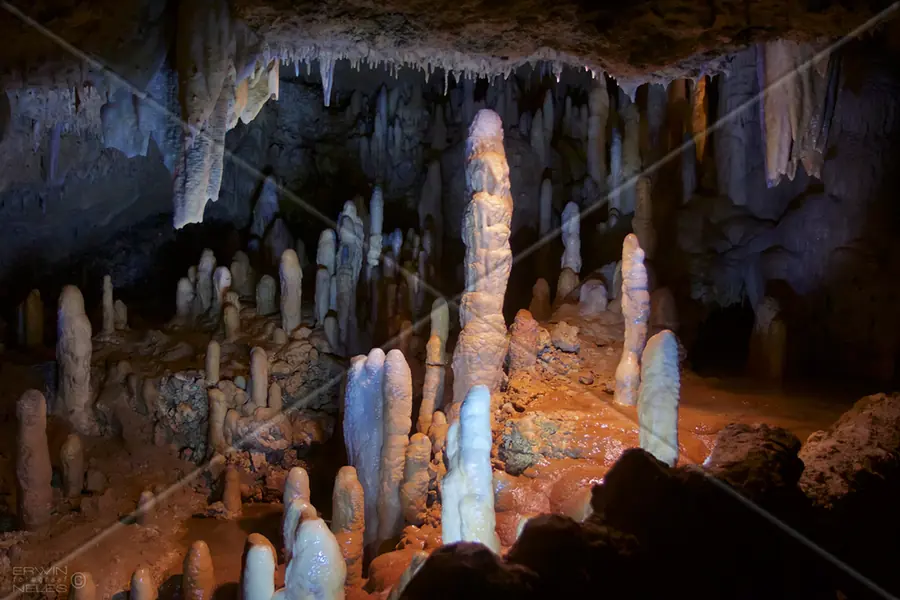
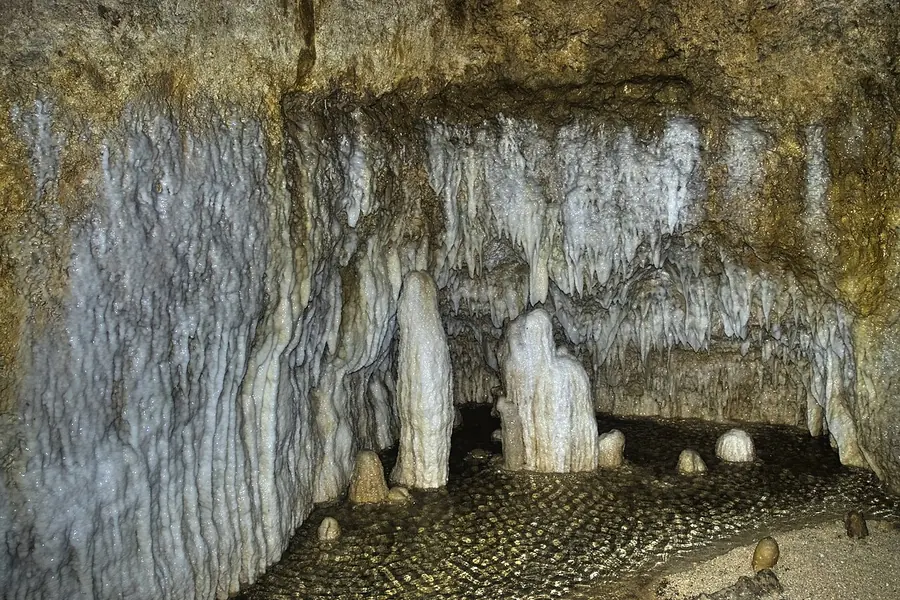
Harrison's CaveA tram ride through a living limestone cavern of stalactites and underground streams.
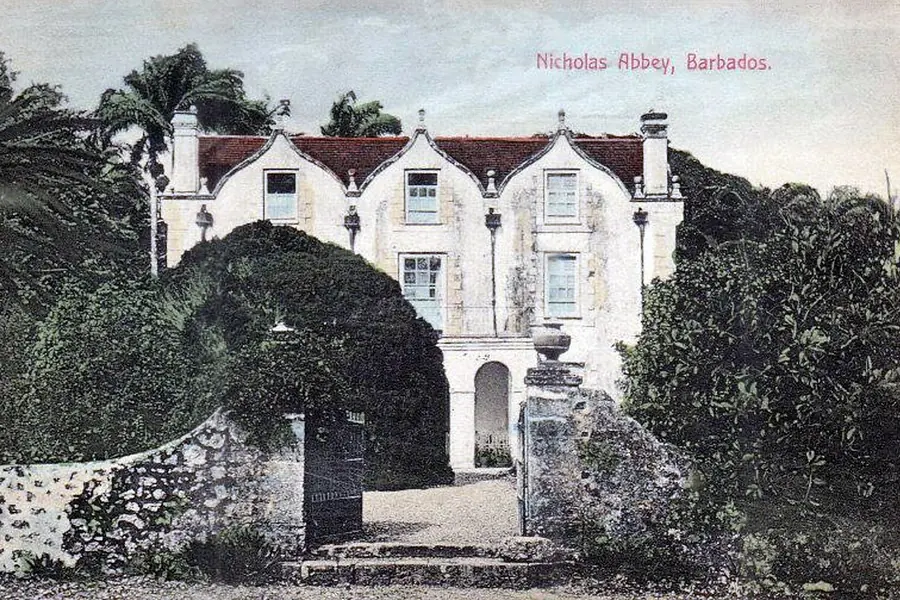
St Nicholas AbbeyA 1650s Jacobean plantation house and working rum distillery, with an honest look at the past.
[ BRIDGETOWN & GARRISON ]
Old stones, older stories.
Bridgetown — Historic cityUNESCO-listed colonial capital — Parliament, the Synagogue, and the careenage waterfront.
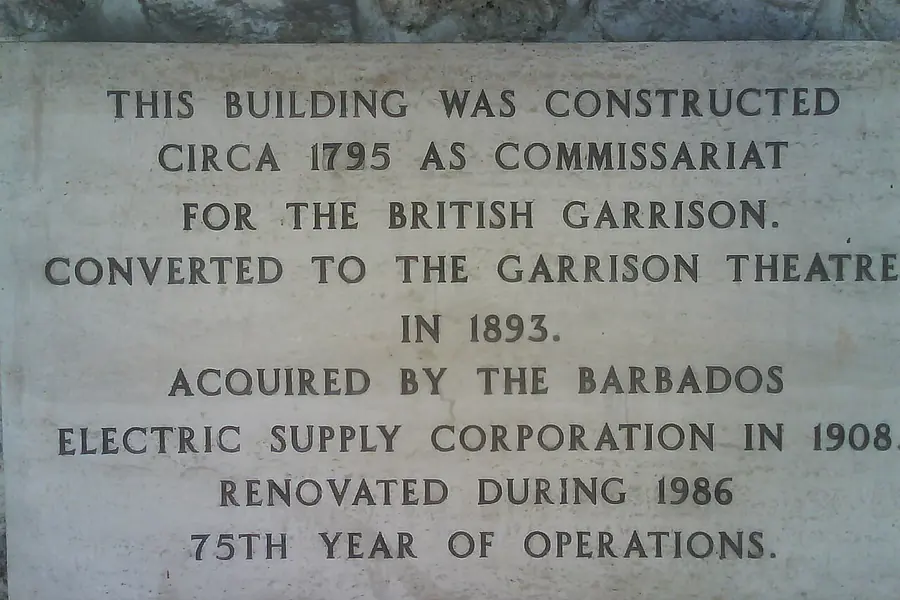
Garrison Historic AreaA horse-racing oval ringed by Georgian military buildings and the best little museum on the island.
[ FAR NORTH & ANIMAL FLOWER ]
Boats, bridges and reflections.
Animal Flower CaveA sea cave at the island's northern tip with rock pools you can swim in, waves crashing outside.
Cherry Tree HillA mahogany-lined avenue opening onto a sweeping view down the whole Scotland District.
Day 1
West Coast — Holetown + Snorkel + Sunset
Ease into the calm Caribbean side
Holetown + Folkestone snorkel
Calm, clear west-coast water over a protected reef — the easy, gorgeous start.
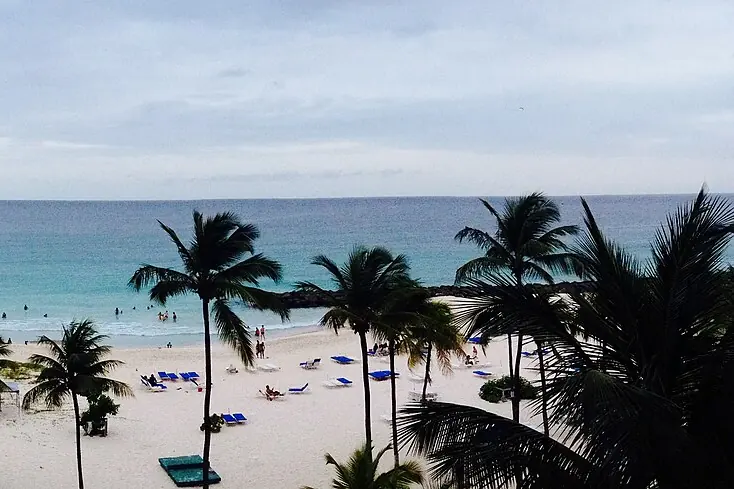
Begin on the so-called Platinum Coast, where the Caribbean is glassy and warm. Holetown has good beach access and the Folkestone Marine Park just north, where you can snorkel a protected reef straight off the sand. It's the gentlest possible introduction to the island — sun, shade, and a rum punch within arm's reach. Rent gear at the beach if you didn't pack it.
Catamaran turtle & shipwreck snorkel
Swim with wild green turtles and over a shallow wreck, drinks included. The signature day out.
A half-day catamaran cruise is the quintessential Barbados experience — anchoring over a sea-turtle feeding ground and a shallow shipwreck for easy snorkelling, with lunch, rum punch, and reggae on the sail. Book a smaller-boat operator if you want to dodge the booze-cruise crowd. The turtles are genuinely wild and genuinely close. Bring reef-safe sunscreen.
Torch-lit fine dining over the water — or the cooler beach-shack alternative next door.
The Cliff is the island's legendary special-occasion restaurant, set on a torch-lit terrace above the sea on the west coast — pricey, polished, and worth it for a big night. For something more relaxed and a fraction of the cost, the nearby Sea Shed does excellent seafood with your feet near the sand. Either way, you're here for the Caribbean sunset.
Day 2
South Coast + Oistins Fish Fry
Beaches by day, fish fry by night
Miami Beach (Enterprise Beach)
Locals' favourite south-coast strip — calm on one side, breezy and bodysurfable on the other.
Skip the resort beaches and head to Miami Beach (locally, Enterprise) on the south coast — a long, palm-backed strip split by a small headland into a calm side and a livelier, breezier side. It's where Bajan families spend their weekends, which is exactly the recommendation. There's a snack van and shade; bring cash for the rum punch.
The south coast's nightlife strip — bars, beach restaurants, and steel-pan evenings.
The Gap is the island's main eating-and-drinking strip, a walkable run of beachfront bars, restaurants, and the odd live band on the south coast. It gets lively after dark but it's relaxed, not rowdy. Have an early drink here and a wander before the main event. Grab a Banks beer and a fishcake from a roadside vendor to set the tone.
Friday-night street party where the whole island grills its catch and dances. Unmissable.
The Oistins fish fry, biggest on a Friday night, is the most fun you'll have on the island — a fishing-village square turned open-air party, with stalls grilling marlin, flying fish, and mahi-mahi, plus rum, dominoes, and dancing till late. Get the grilled fish with macaroni pie and sit at a communal table. This is the real Barbados, locals and visitors together.
Day 3
The Atlantic East Coast
The wild, windswept other half of the island
Bathsheba + Soup Bowl
Mushroom-shaped rocks, world-class surf, and the Atlantic doing its dramatic best.
Cross to the rugged east coast and Bathsheba — giant wind-sculpted boulders standing in the surf, the famous Soup Bowl surf break, and a wildness that feels a continent away from the west coast. The swimming is dangerous here (rip currents), but the tide pools are safe and the scenery is the island's best. Have lunch at the Round House on the cliff above.
A theatrical sunken gully garden where the eccentric owner plies you with rum punch.
Tucked in a collapsed cave gully in the central highlands, Hunte's Gardens is a riot of tropical planting on winding paths, soundtracked by classical music — and the legendary Anthony Hunte may well hand you a rum punch from his veranda. It's the most charming hour on the island. Small, lush, and gloriously eccentric.
Green rolling hills and big Atlantic views on the island's least-touristed coast.
The northeast's Scotland District — named for its rolling green hills — is the most scenic drive on Barbados, winding through small villages and sugar- cane country with sweeping Atlantic views. Take it slow, stop at the viewpoints, and notice how few other tourists make it over here. A perfect unstructured end to a wild-coast day.
Day 4
Caves, Rum + Plantation History
Underground wonders and the island's deep past
Harrison's Cave
A tram ride through a living limestone cavern of stalactites and underground streams.
Barbados's headline natural attraction is Harrison's Cave — a vast limestone cavern explored by electric tram, past flowing streams, deep pools, and dramatically lit stalactites and stalagmites. It's cool, family-friendly, and genuinely impressive. Book the standard tram tour ahead in high season; the eco-adventure walking tour is the option for the more intrepid.
A 1650s Jacobean plantation house and working rum distillery, with an honest look at the past.
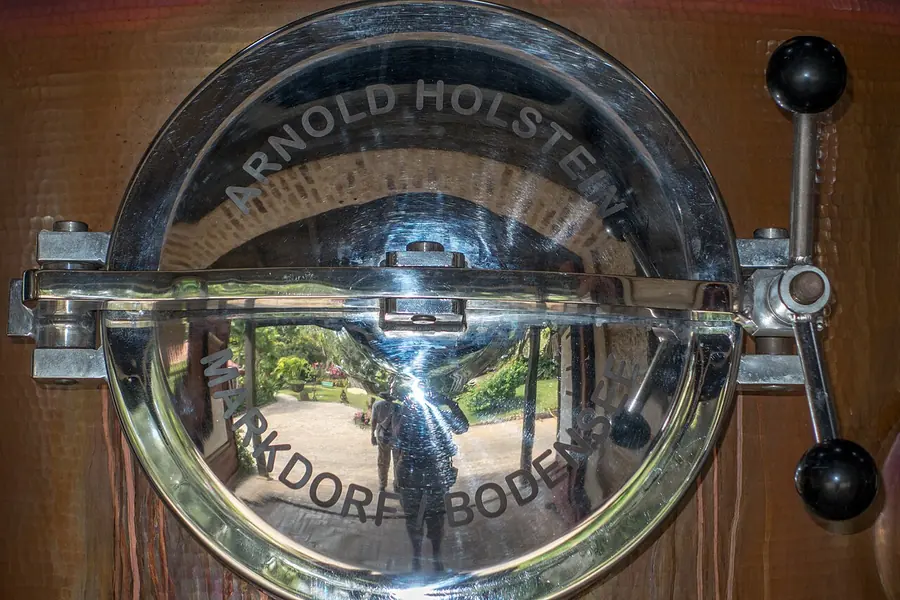
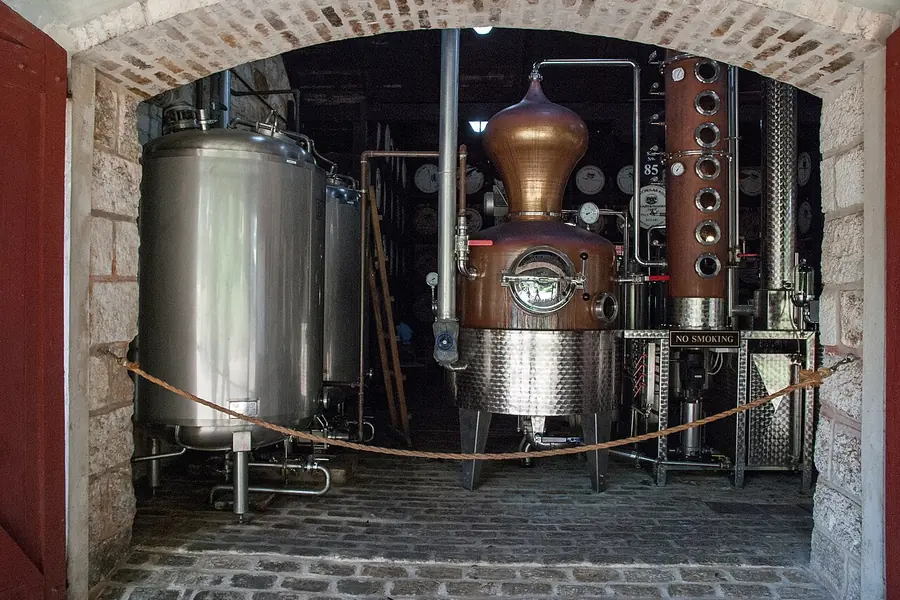
One of only a handful of Jacobean mansions left in the Americas, St Nicholas Abbey is a beautifully preserved 1650s great house and small-batch rum distillery set on a hilltop estate. Tour the house, see the rum made, and ride the heritage steam railway through the grounds. It also reckons honestly with the plantation's slavery history, which matters here.
Tour the world's oldest rum brand and taste your way through three centuries of it.
Mount Gay has been making rum here since 1703 — the oldest rum brand on earth — and its visitor experience walks you through the process and a guided tasting flight. It's touristy but well done, and the cocktail at the end is a fitting reward. Bring a bottle of the Black Barrel home; it's cheaper here than anywhere else.
Day 5
Bridgetown + the Garrison
UNESCO history and the capital's hidden depths
Bridgetown — Historic city
UNESCO-listed colonial capital — Parliament, the Synagogue, and the careenage waterfront.
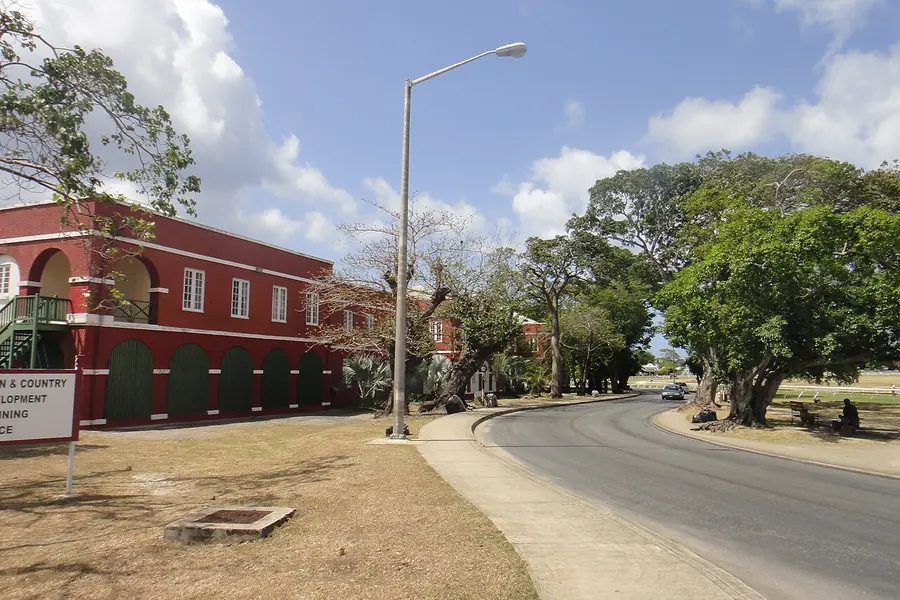
The capital, Bridgetown, is a UNESCO World Heritage Site for its colonial architecture — the neo-Gothic Parliament buildings, the restored 1654 Nidhe Israel Synagogue (one of the oldest in the Americas), and the careenage where boats once tipped over for repair. It's busiest on a weekday morning. Wander, then escape the heat with an island lunch.
A horse-racing oval ringed by Georgian military buildings and the best little museum on the island.
The Garrison, just south of the capital, is a sweeping savannah used for horse racing, encircled by Georgian-era military buildings and the excellent Barbados Museum (housed in an old military prison). It's part of the UNESCO listing and a genuinely interesting couple of hours. Catch the changing of the sentry if your timing's lucky.
Calm, clear bay right by the capital with snorkellable wrecks and turtles offshore.
Round off the day at Carlisle Bay, a sheltered arc of clear water minutes from Bridgetown with a marine park containing several shallow shipwrecks and resident turtles. The beach bars here (Copacabana, Cuz's fish cutters) are a south-coast institution. Swim, then have a legendary fish cutter sandwich from Cuz's van — a Bajan rite of passage.
A sea cave at the island's northern tip with rock pools you can swim in, waves crashing outside.
At the very northern tip, the Animal Flower Cave is a sea cave carved into the cliffs, named for the sea anemones in its pools — and in the right conditions you can swim in the rock pools while the Atlantic thunders just beyond. The clifftop restaurant above has one of the island's best views and a chance of spotting whales in season. Wear shoes with grip.
Cherry Tree Hill
A mahogany-lined avenue opening onto a sweeping view down the whole Scotland District.
A short drive inland, Cherry Tree Hill rewards you with a corridor of old mahogany trees opening suddenly onto a panoramic view over the east coast and the Scotland District far below. It pairs naturally with a visit to the nearby Morgan Lewis windmill, one of the last working sugar mills in the Caribbean. A lovely, quiet stop most visitors never reach.
Archer's Bay
A wild, near-empty north-coast beach with sea caves and a natural rock arch.
End the northern loop at Archer's Bay, a dramatic and usually deserted beach on the rugged northwest coast, with sea caves, a natural arch, and big Atlantic surf. It's not a swimming beach — the currents are serious — but it's a gorgeous, atmospheric spot for a clifftop picnic and the kind of solitude the busy west coast can't offer.
Day 7
Beach Day + Farewell Dinner
One last lazy day on your favourite coast
Paynes Bay Beach
The west coast's prettiest beach for a final lazy swim and a guaranteed turtle sighting.
For your last beach day, Paynes Bay on the west coast is the pick — soft sand, calm turquoise water, and a near-guaranteed chance to snorkel with turtles that gather just offshore. Grab a sun lounger, order from one of the beach bars, and do absolutely nothing of consequence. You've earned it.
The Fish Pot — Little Good Harbour
Seafood in a converted fort on the quiet north-west coast, away from the crowds.
For a relaxed long lunch, The Fish Pot sits in a converted coral-stone fort at Little Good Harbour on the north-west coast — elegant but unstuffy, with the day's catch beautifully done and the sea lapping just outside. It's worth the short drive north for one of the island's most charming settings and a final taste of proper Bajan seafood.
Brown Sugar — farewell Bajan feast
A full-on Bajan buffet of cou-cou, flying fish, and pepperpot to end the trip right.
Finish with the real local cuisine at Brown Sugar near Bridgetown, a long-running spot famous for its Bajan buffet — cou-cou and flying fish (the national dish), pepperpot, pickled breadfruit, and a parade of island desserts. It's a generous, unpretentious send-off built around the food Barbadians actually eat. Reserve ahead; it's deservedly popular.
Most people picture one Barbados: the calm, glassy, rum-punch west coast where the luxury hotels line the sand. That Barbados is real and it is excellent. But it’s only half the island, and the visitors who never leave it are missing the better story. Cross to the east and the Atlantic comes roaring in against giant boulders at Bathsheba, the hills turn green and empty, and the whole place feels wilder and more itself.
The secret to a great Barbados trip is using both. This itinerary alternates the easy beach days with the dramatic interior and the rugged coast, plus the bits that make the island more than a sun-lounger: the world’s oldest rum, a UNESCO-listed capital, a Friday-night fish fry that turns a fishing village into a street party. Two days gets you the beaches, turtles, and Oistins. Three crosses to the Atlantic. Four adds caves and history. Seven does the whole island at the island’s own unhurried pace.
A few practical things. Barbados is small but spread out, and the public bus, while cheap and characterful, is slow — rent a car (you’ll drive on the left) or build a relationship with a reliable taxi driver, who’ll often double as a guide. The currency is the Barbadian dollar, pegged at two to one US dollar, and US dollars are accepted nearly everywhere. And the sun is stronger than it feels in the sea breeze; reef-safe sunscreen, reapplied often, is non-negotiable.
When to Go
December to April is the dry, breezy peak season — best weather, highest prices, and the busiest beaches. Book accommodation and the marquee restaurants well ahead.
May to November is greener, hotter, and cheaper, with a real but manageable chance of rain; the rougher Atlantic also brings the surf crowd. The shoulders (late April, November) are the sweet spot for value and decent weather.
Use the filter above to see exactly which stops apply to your trip length.
This article contains affiliate links marked with rel="sponsored". We may earn a commission at no extra cost to you.