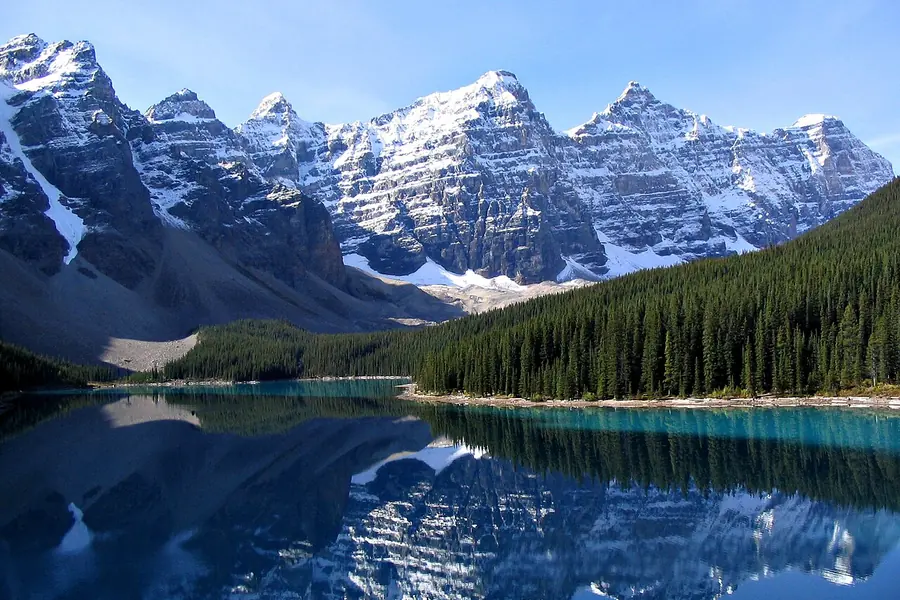
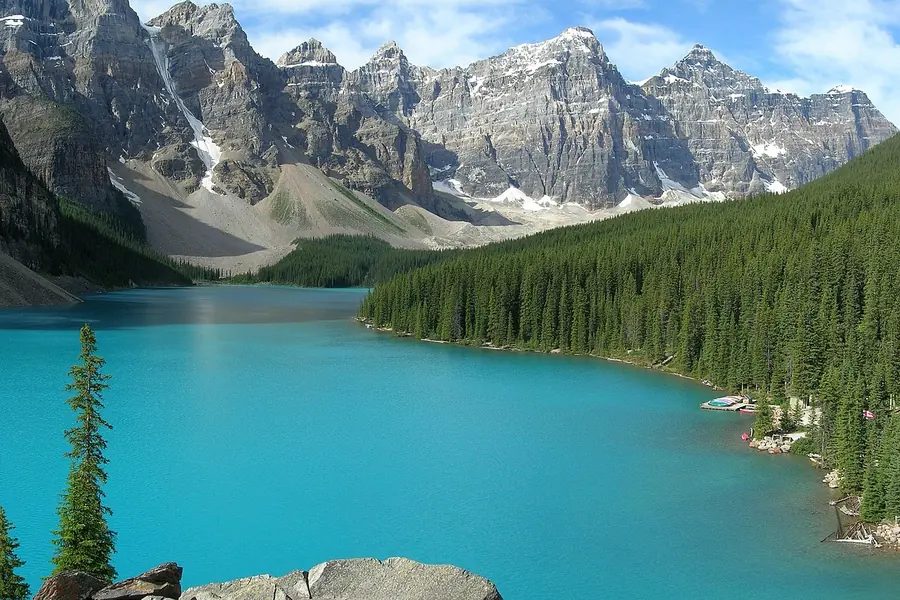
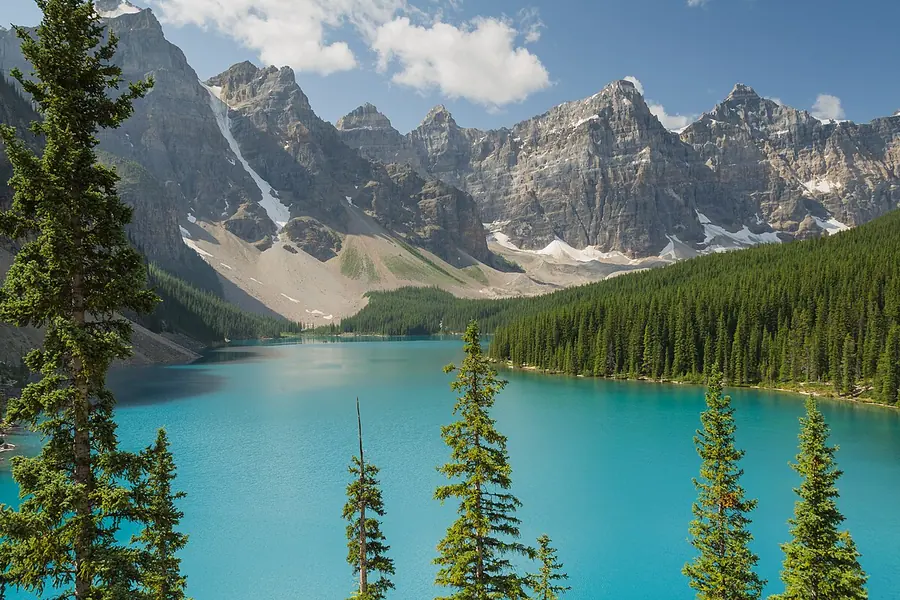
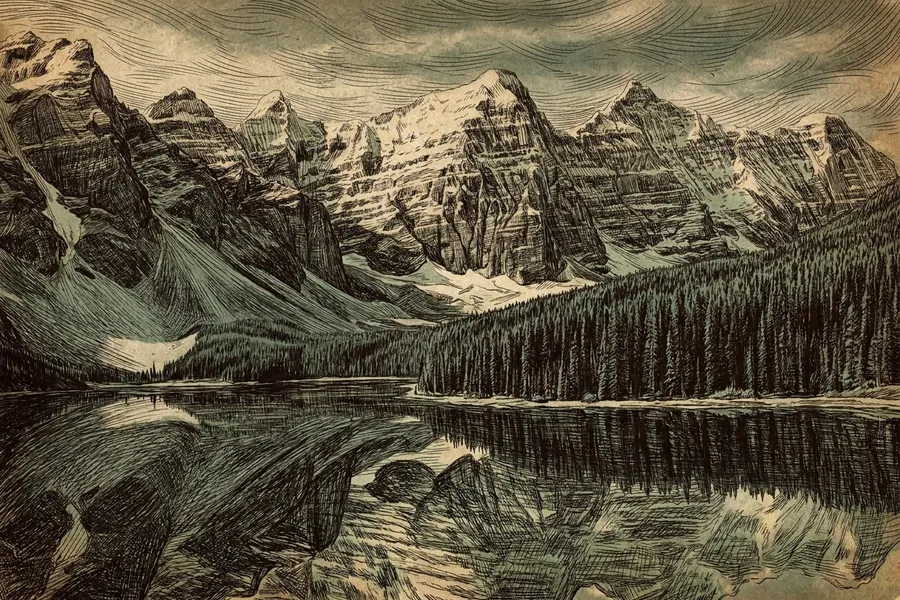
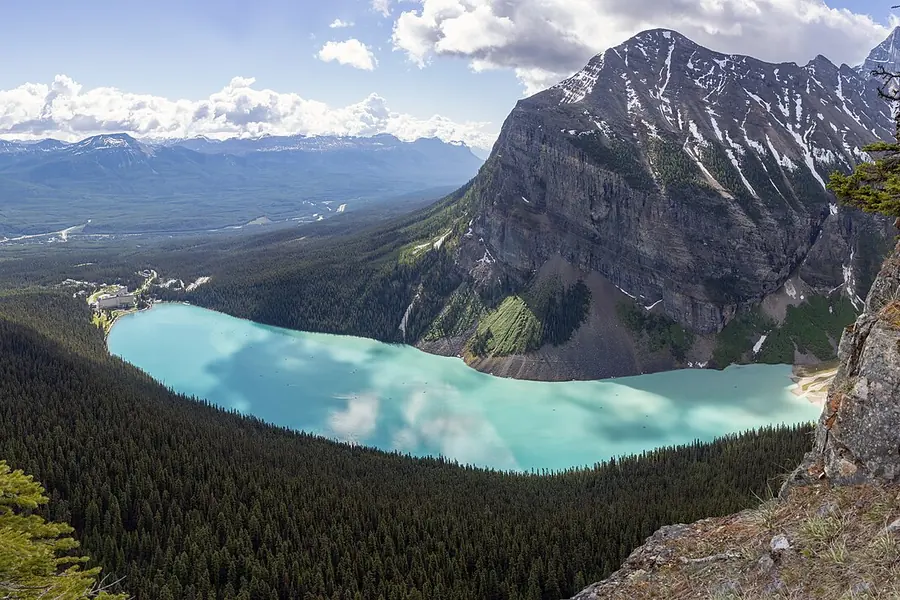
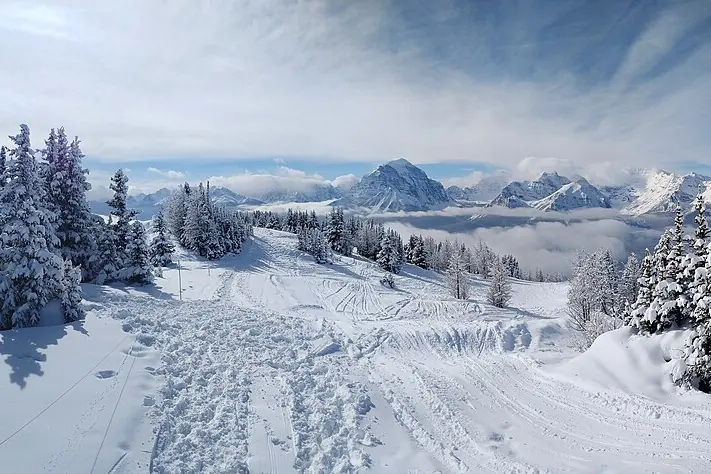
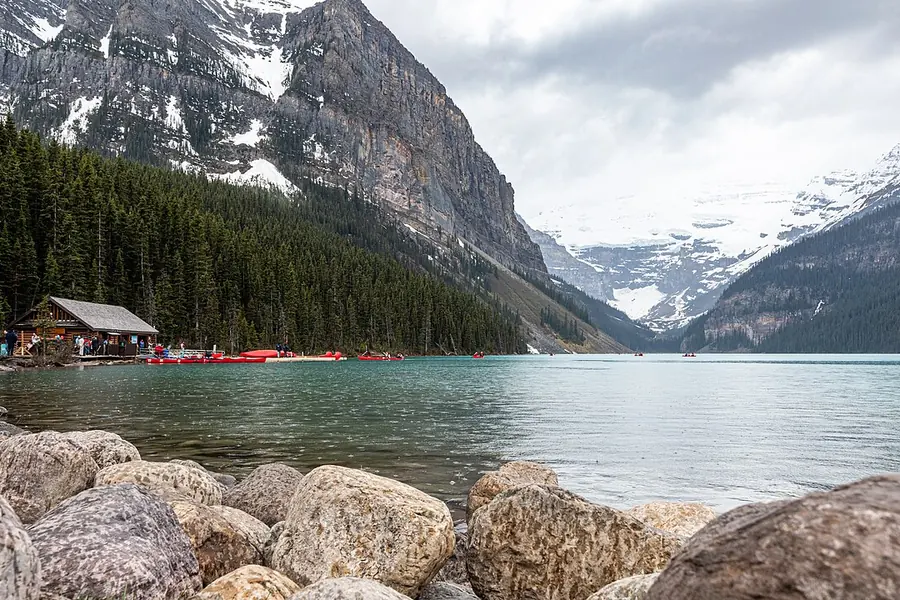
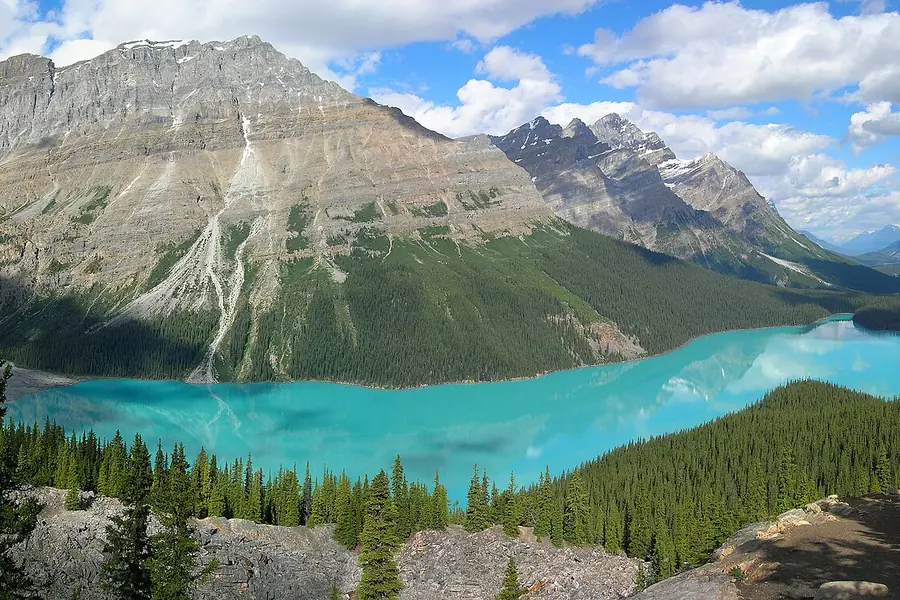
I'd been calling Moraine Lake "the postcard lake" for years. Then I stood on the Rockpile at 7 AM and the turquoise hit me like something between grief and relief. I sat down on a boulder and ate half a granola bar in stunned silence. It is, objectively, too beautiful. The postcard was right.
The Perfect Banff Itinerary (2, 3, 4 & 7 Days)
📅 Planning your dates? See the best time to visit Banff — season-by-season weather, crowds, and prices.
Two days means two lakes, one gondola, and Banff town. You will not see everything. You will see enough to cancel all future beach holidays. Book Moraine Lake shuttle the moment you land — it sells out months ahead.
Pre-book Parks Canada shuttle and gondola before anything else.
72 Hours: The Icefields Parkway Appetiser
Three days adds the Icefields Parkway south — Peyto Lake, Bow Lake, and the mountain views that make the drive from Banff to Jasper one of the world's great road trips. You'll leave wanting to extend by a week.
4 Days: Glaciers and Going Further
Four days gets you to the Columbia Icefield and Athabasca Falls. You are now firmly in big-wilderness territory — the kind of landscape that makes the word "scenery" feel like an insult. Pack layers regardless of season.
7 Days: Live Like a Mountain Person
A week is enough to develop opinions about hikes, argue about which lake is best (Moraine, obviously, but Peyto fans will fight you), and discover that Canmore is quietly cooler than Banff town. You'll leave with sore legs and unrealistic expectations of all other landscapes.
Estimated budget:CAD $520–$780 est. (1 hotel night, park pass, gondola, shuttle)
Estimated budget:CAD $780–$1,150 est. (2 nights, Icefields Parkway drive, activities)
Estimated budget:CAD $1,050–$1,600 est. (Columbia Icefield tour, 3 nights, park passes)
Estimated budget:CAD $1,800–$2,800 est. (full week, mid-range lodging, all activities)
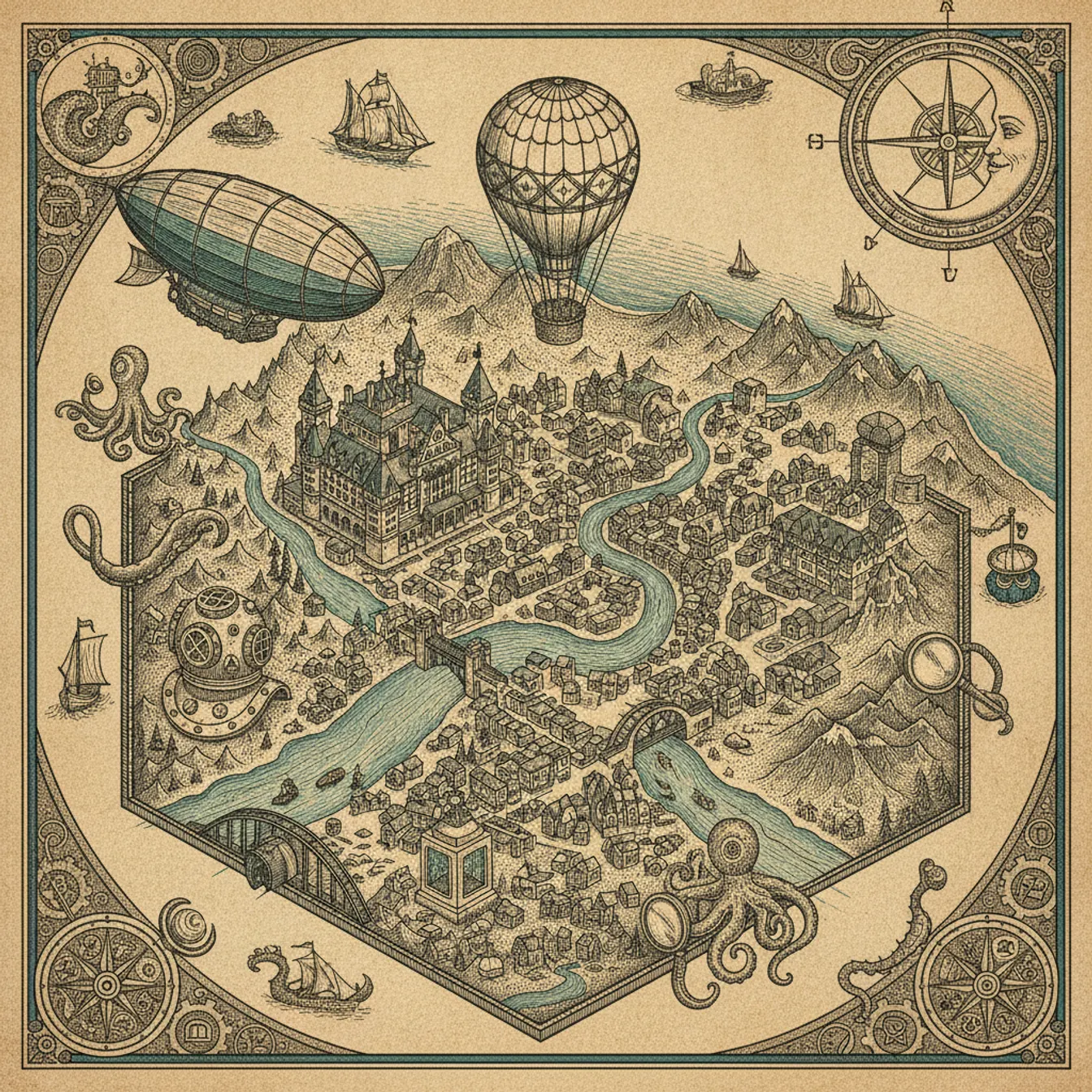
[ THE DISPATCH · FIELD MAP ]
A tilted, hand-drawn dispatch of Banff. Click a quarter to explode it open.
0 / 6 quarters explored
Legend · tap to highlight
[ BANFF TOWNSITE ]
Old stones, older stories.
Whitebark Café — morning coffeeThe best flat white in the Rockies, served with mountain views already included.
Bow Falls + Hoodoos TrailA river crashing through limestone, and the weirdest rock formations you've ever dismissed as decorative.
[ LAKE LOUISE & MORAINE LAKE ]
Boats, bridges and reflections.
Moraine Lake — sunrise via Parks Canada shThe most photographed lake in Canada. The photos don't do it justice.
Lake Louise — shoreline walkThe Chateau towers over it. The glacier feeds it. Neither detail fully prepares you.
[ ICEFIELDS PARKWAY SOUTH ]
Green breathing room.
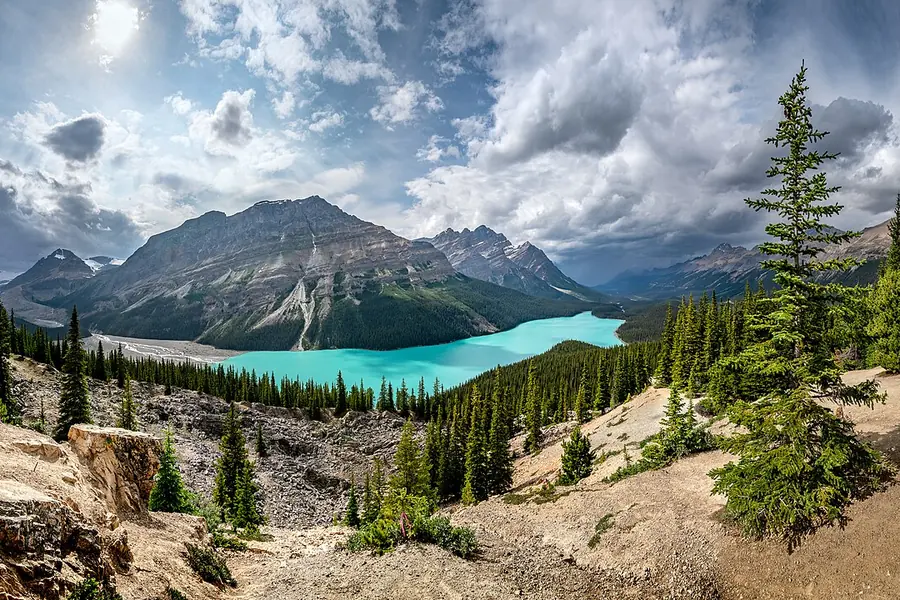
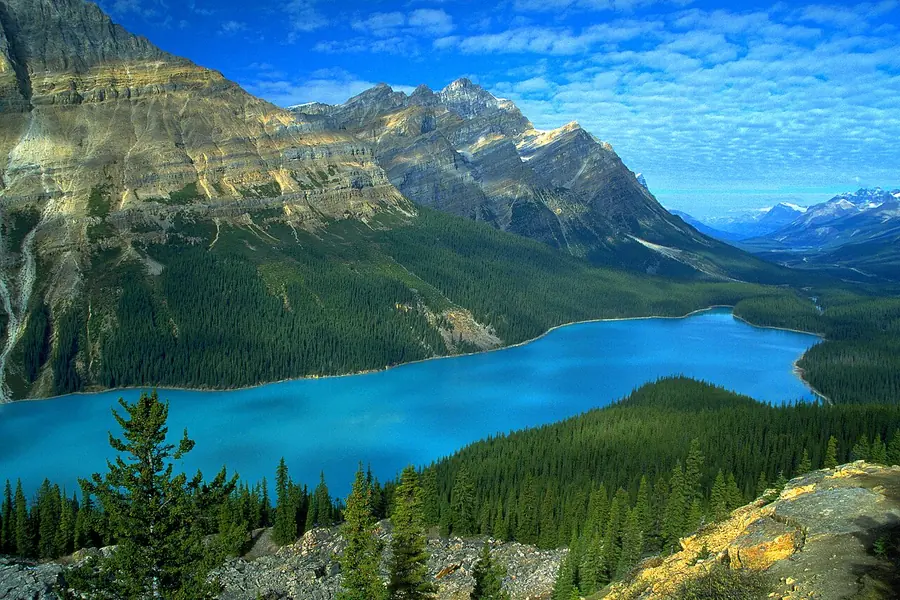
Peyto Lake ViewpointThe lake shaped like a howling wolf. The colour that makes Moraine Lake look restrained.
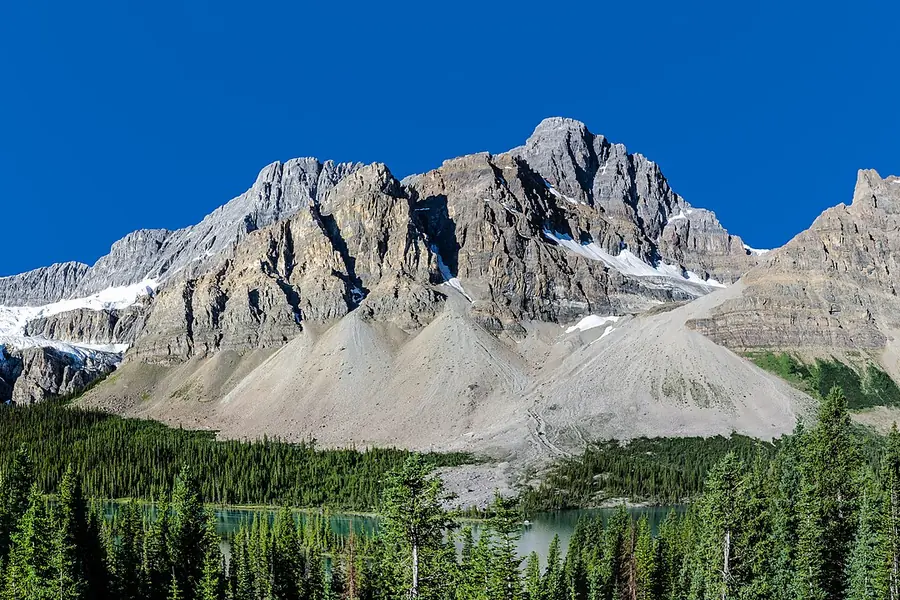
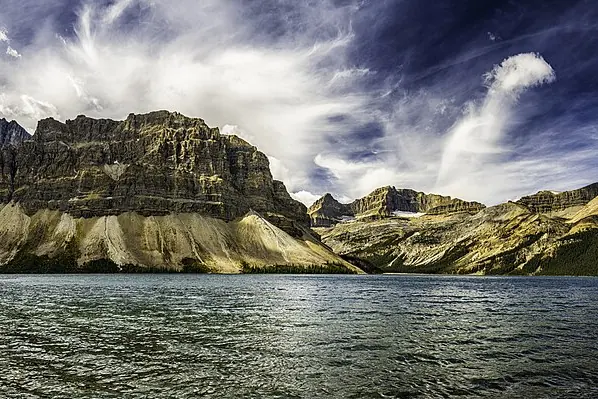
Bow LakeThe one that doesn't have a shuttle queue. The one that's actually perfect.
[ COLUMBIA ICEFIELD & JASPER ]
Green breathing room.
Columbia Icefield Glacier AdventureIce so old it was already ancient when the pyramids were built.
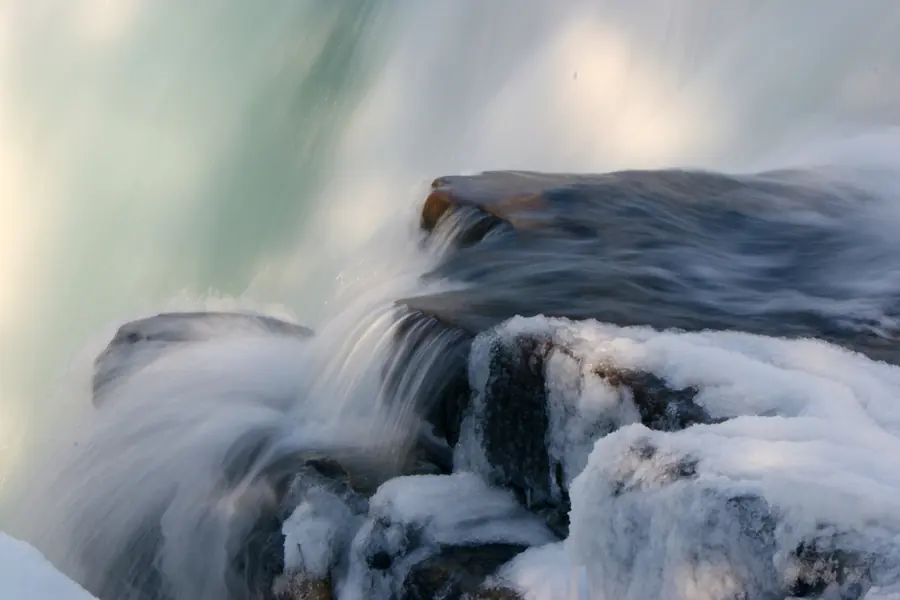
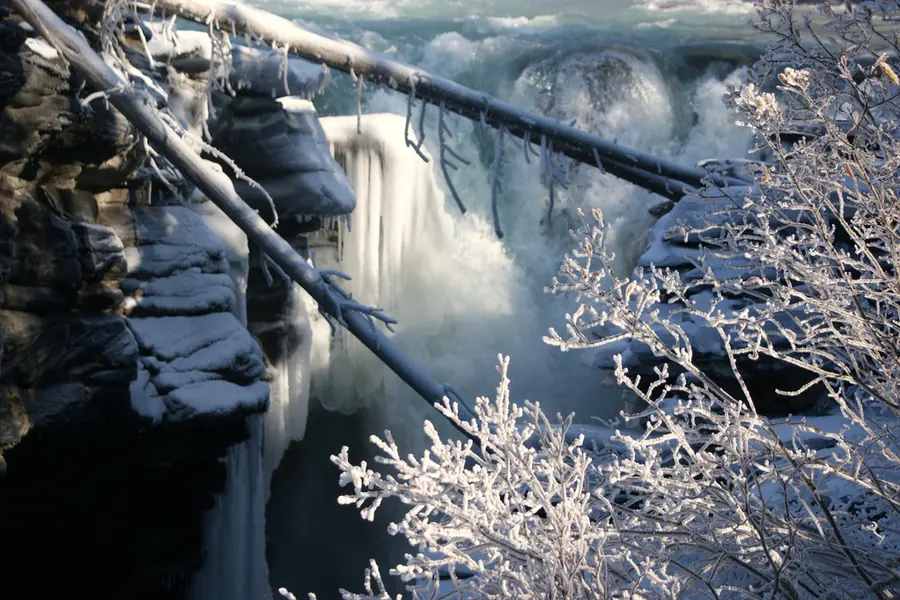
Athabasca FallsNot the tallest falls in Alberta. Just the loudest, the most violent, and the most magnificent.
[ JOHNSTON CANYON ]
Green breathing room.
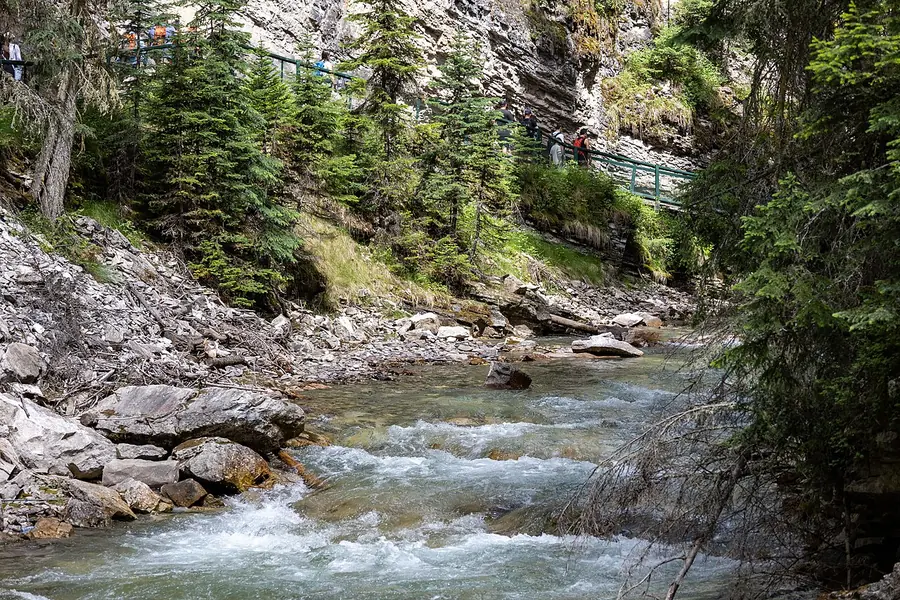
Johnston Canyon — Lower and Upper Falls hiAn iron catwalk bolted to canyon walls above a creek that has opinions.
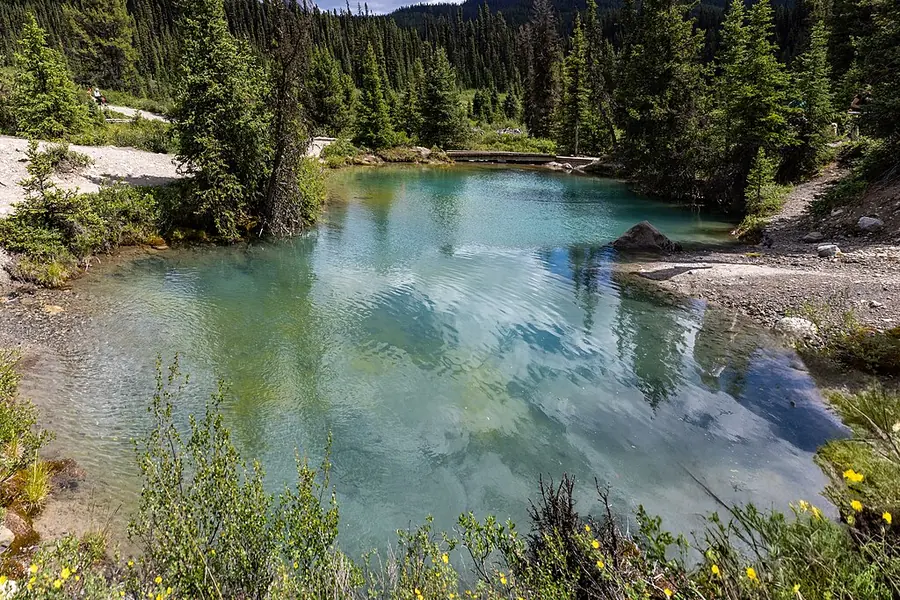
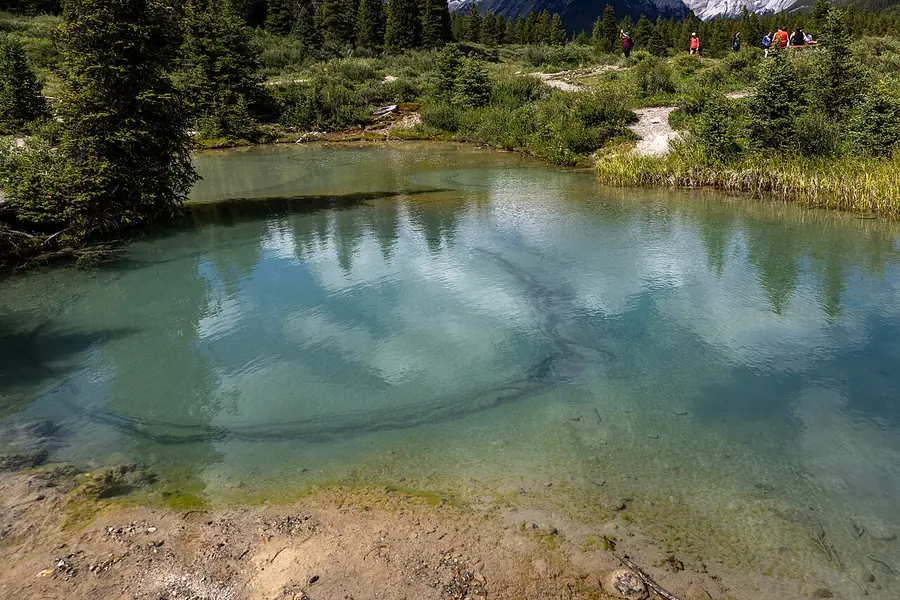
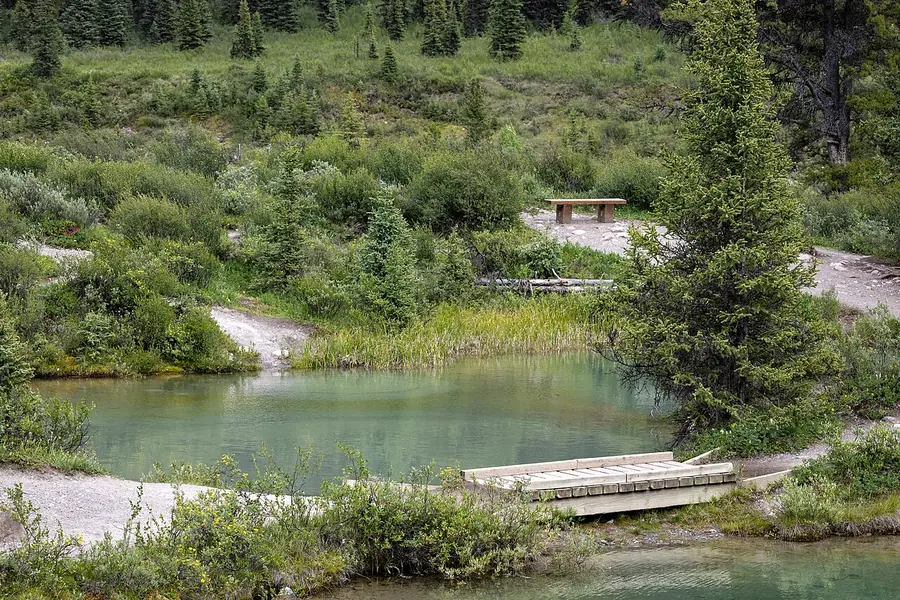
Ink Pots — beyond the upper fallsSix cold mineral springs that bubble vivid green from the earth, inexplicably.
[ CANMORE ]
Where the city meets the water.
Ha Ling Peak — summit hikeUp 700 metres of switchbacks, down in two hours, bragging rights that last forever.
Canmore Nordic Centre Provincial ParkAn Olympic venue repurposed as an excuse to wander trails with a coffee.
Day 1
Banff Town + Bow River + Sulphur Mountain
Get your bearings — and your breath
One day to orient yourself before the lakes swallow you whole. Town in the morning, the river trail, then up the gondola for a 360° view that puts everything into spatial context. You're not in a normal place.
Take it slow — this is orientation day. The gondola boardwalk at golden hour is worth the wait. Save your knees for later in the week.
Whitebark Café — morning coffee
The best flat white in the Rockies, served with mountain views already included.
Banff Avenue's best café, tucked above street level, with floor-to-ceiling windows that make the mountain backdrop feel almost theatrical. Order the flat white and a butter croissant, resist the urge to immediately photograph everything, and plan your shuttle bookings if you haven't already. This is also where locals eat — a reliable sign of quality in a town full of tourist traps.
Bow Falls + Hoodoos Trail
A river crashing through limestone, and the weirdest rock formations you've ever dismissed as decorative.
The Bow Falls are a ten-minute walk from town — small by alpine standards but genuinely dramatic where the Bow River narrows over the ledge. Continue on the Hoodoos Trail to the eroded limestone pillars that look like someone's art installation got out of hand. The views across the Bow Valley are unobstructed and, on a clear morning, the kind of thing you tell people about at dinner parties three years later.
Sulphur Mountain Gondola + Summit Boardwalk
Eight minutes up, 360 degrees of Rocky Mountain horizon, zero complaints.
The gondola takes you from 1,583m to 2,281m in eight minutes flat. At the top, the Summit Boardwalk runs 1km along the ridge to Sanson Peak and the old weather observatory — genuinely interesting, free with gondola entry, and far less crowded than the observation deck. The panorama takes in the Bow Valley, the Sundance Range, and on a clear day, peaks 80km distant. Book the 1 PM slot to dodge the morning rush; last gondola down is typically 9 PM in summer.
The turquoise lakes that broke the internet (repeatedly)
Your last day — and the one you came for. Moraine Lake at sunrise, then Lake Louise. The colours are not edited. They are genuinely that absurd shade of blue-green. Glacial flour in suspension. You're welcome.
Full morning at Moraine Lake, afternoon at Lake Louise, evening back in Banff. Do not attempt this by car — shuttle only, and book it months in advance. This is not optional.
Same plan — get the sunrise shuttle, spend two unhurried hours at Moraine, walk the Lake Louise shoreline at your own pace, and treat yourself to afternoon tea at the Chateau. You've earned it.
Moraine Lake — sunrise via Parks Canada shuttle
The most photographed lake in Canada. The photos don't do it justice.
No personal vehicles are permitted at Moraine Lake — Parks Canada operates a shuttle from the Lake Louise Ski Resort parking area. The first shuttle departs around 6 AM and books out months in advance during peak season (June–September). Book via the Parks Canada reservation system the moment you finalise your dates. The Rockpile Trail (15 minutes, moderate) delivers the iconic elevated view of the Valley of the Ten Peaks. The lake is fed by glacial meltwater; the turquoise is caused by rock flour in suspension and is most vivid June through August. Arrive on the early shuttle — by 9 AM, the Rockpile is shoulder-to-shoulder.
The Chateau towers over it. The glacier feeds it. Neither detail fully prepares you.
Lake Louise sits at 1,731m with the Victoria Glacier at its head. The 2.5km shoreline walk takes you from the Chateau boathouse around to the far shore — the view of the Chateau framed by the glacier is the postcard image of Banff National Park. The water is cold enough to swim in for approximately four seconds. Kayak and canoe rentals are available at the boathouse (book ahead in July–August). The Plain of Six Glaciers teahouse hike begins here if you have energy and four hours to spare.
Fairmont Chateau Lake Louise — Lakeview Lounge tea
Overpriced? Absolutely. Worth it while you're already here? Non-negotiable.
The Lakeview Lounge serves afternoon tea with the glacier visible through floor-to-ceiling windows. Yes, the Fairmont adds a luxury surcharge to existing luxury. Yes, you should still do it. The scones are good, the view is absurd, and there is precisely one occasion in life where drinking tea while watching a glacier is appropriate. This is it.
Your final morning. Drive the Parkway south-to-north as far as time allows — Peyto Lake viewpoint and Bow Lake are essential. The road itself is the attraction. Pull over constantly. That's the point.
Full day on the south section — Peyto, Bow Lake, and Mistaya Canyon. Pack a lunch and plan three hours of driving and four hours of stopping.
Relax into it. No schedule. The Parkway rewards patience — light changes every twenty minutes and the peaks look different in afternoon cloud than they do in morning sun.
Peyto Lake Viewpoint
The lake shaped like a howling wolf. The colour that makes Moraine Lake look restrained.
The Bow Summit turnoff (highest point on the Icefields Parkway at 2,088m) leads to a short 400m paved walk to the Peyto Lake viewpoint — one of the most photographed spots in Canada. The lake's distinctively wolf-head shape is only apparent from elevation. The turquoise here is, if possible, even more unreasonably vivid than Lake Louise. The surrounding alpine meadows bloom with wildflowers in July. Allow 45 minutes minimum; most people budget 20 and regret it.
The one that doesn't have a shuttle queue. The one that's actually perfect.
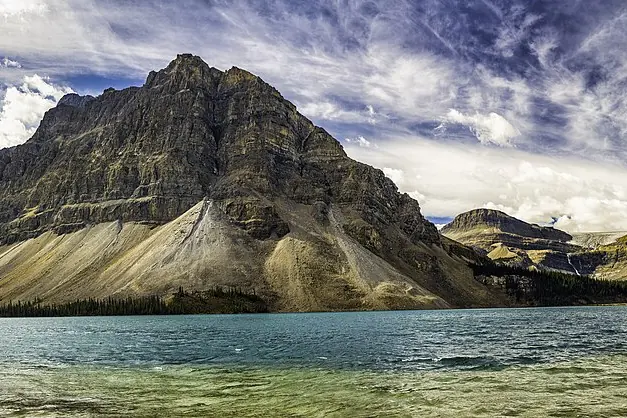
Bow Lake sits 2km off the Parkway and is accessible by car — a blessed relief after the Moraine Lake shuttle situation. The flat shoreline walk circles to the far end where Bow Glacier Falls drop off the cirque above. It's the quietest of the iconic Banff lakes and arguably the most atmospheric — the Num-Ti-Jah Lodge on the north shore has been there since 1923, and the whole scene looks like it was painted by someone with an implausibly good imagination.
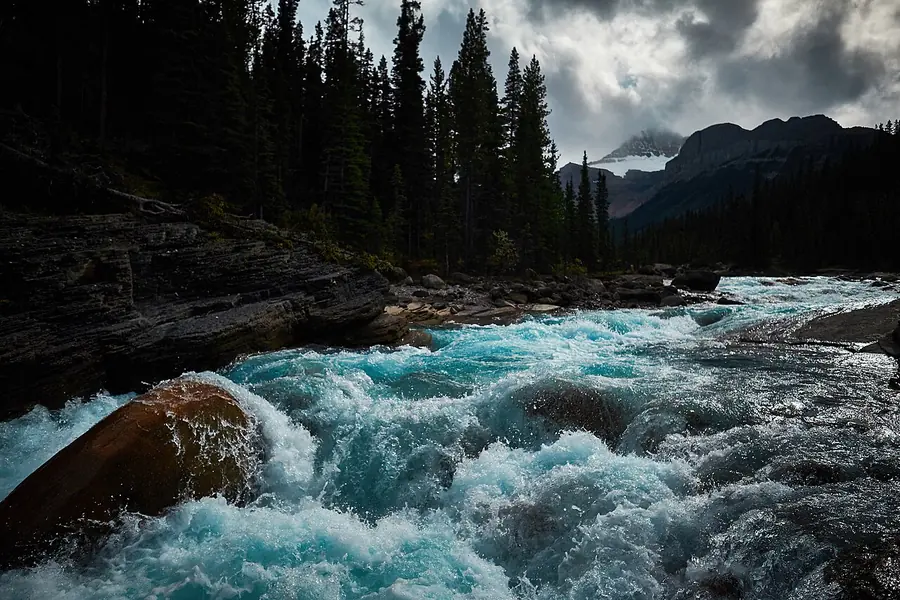
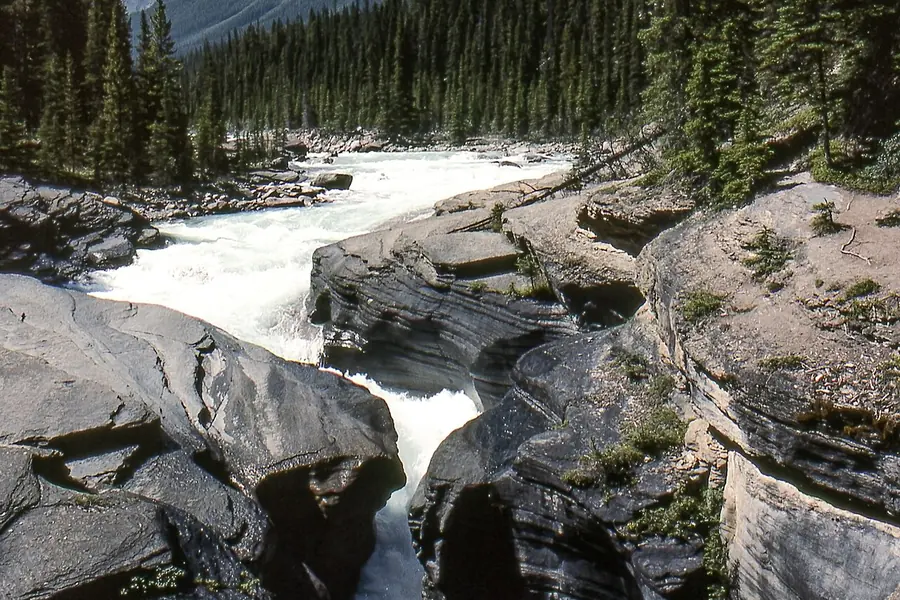
A slot canyon the river carved while you weren't looking. Twenty minutes, maximum drama.
Park at the Mistaya Canyon lot and walk 500m down through forest to where the Mistaya River has carved a spectacular narrow limestone canyon. The slot is 20 metres deep in places and the water runs impossibly green at the bottom. It's one of the best bang-for-effort viewpoints on the Parkway — 40 minutes return, suitable for most fitness levels, and almost always less crowded than the lakeside stops.
Early start — the Columbia Icefield is three hours from Banff. Book the Glacier Adventure in advance; summer slots sell out weeks ahead. Athabasca Falls on the way back is mandatory. This is the day people describe to their grandchildren.
You have the luxury of overnighting in Jasper if you choose — the Glacier Adventure, Athabasca Falls, and an evening wandering Jasper townsite makes for a genuinely perfect long day.
Columbia Icefield Glacier Adventure
Ice so old it was already ancient when the pyramids were built.
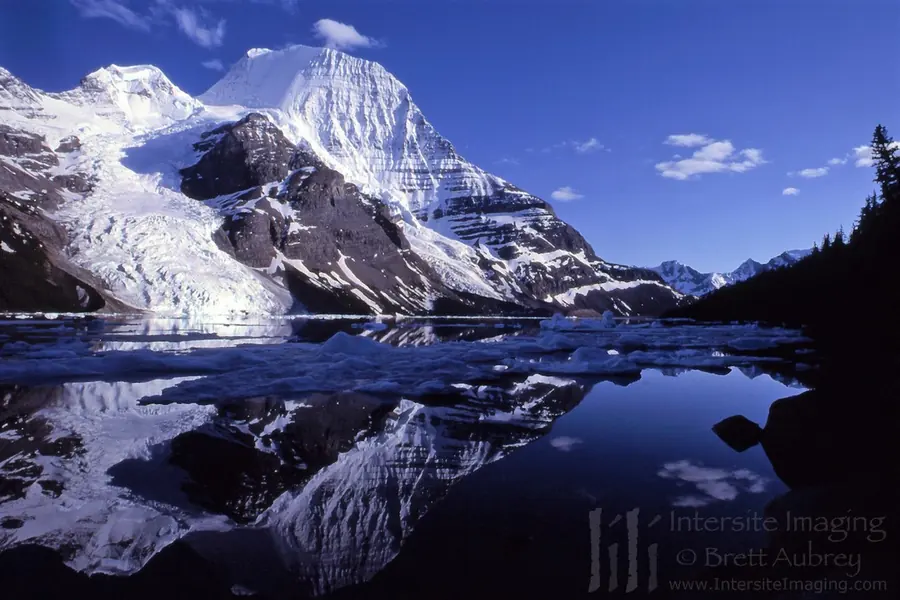
The Glacier Adventure takes you by Ice Explorer bus onto the Athabasca Glacier — part of the Columbia Icefield, the largest sub-polar icefield in North America. The glacier has retreated significantly since 1900 (the markers on the road show how far), which makes standing on it simultaneously spectacular and sobering. The Skywalk glass platform over the Sunwapta Valley is included in the combo ticket and provides a vertiginous 280-degree panorama. Book at least three weeks ahead in summer; the first bus departs at 9 AM and the experience takes 2–3 hours.
Not the tallest falls in Alberta. Just the loudest, the most violent, and the most magnificent.
The Athabasca River drops 23 metres through a narrow quartzite gorge — the force is extraordinary because the entire volume of a major glacial river is compressed through a slot barely 18 metres wide. The mist hits you from 50 metres away. The canyon walls are polished smooth by millennia of abrasion. It's a 10-minute stop if you're in a hurry; give it 30 if you're not. There is no admission fee.
Banff's quieter sibling. Less polished, more actual.
Jasper town is smaller and less tourist-polished than Banff, which is precisely what makes it good. Patricia Street has independent restaurants and an unpretentious craft beer scene. Jasper Brewing Company does the best brisket burger within 200km in any direction. The town backs onto wilderness with minimal ceremony — elk regularly wander the main streets at dusk, which sounds charming until you're actually trying to walk between them.
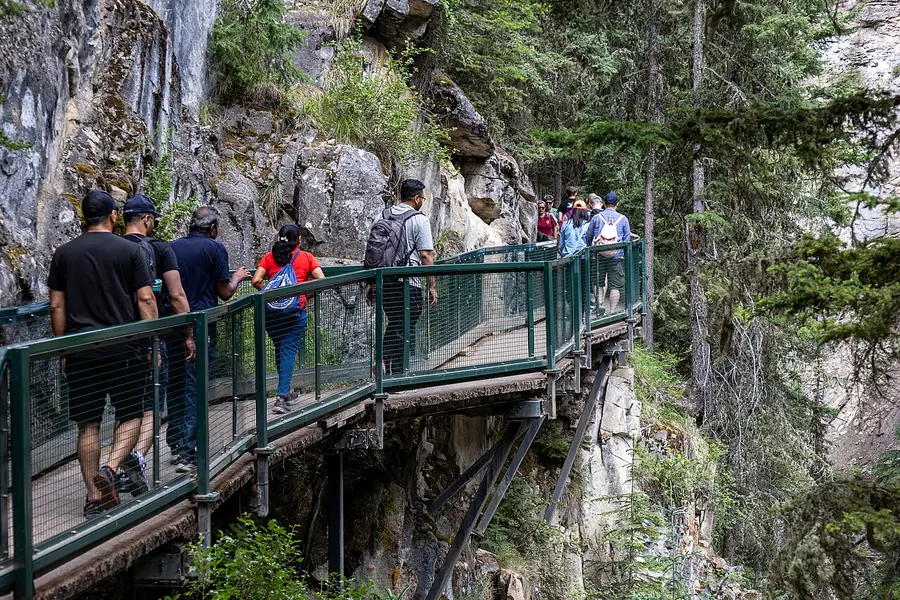
Johnston Canyon is the most accessible spectacular hike in the park — catwalk ledges above rushing water, two dramatic falls, and if you push to the Ink Pots at the top, a collection of spring-fed pools that look like a geology textbook came to life.
Johnston Canyon — Lower and Upper Falls hike
An iron catwalk bolted to canyon walls above a creek that has opinions.
The Johnston Canyon trail is a 2.7km one-way walk on metal catwalks embedded in the limestone canyon walls — the lower falls are at 1.1km (accessible year-round, including winter on ice), the upper falls at 2.7km and significantly more dramatic. Go early — the trailhead parking lot fills by 8 AM in summer and latecomers get a 2km walk-in from the overflow. The canyon itself is cool even in summer heat. Bring layers.
Six cold mineral springs that bubble vivid green from the earth, inexplicably.
The Ink Pots are 3km past the upper falls — a further 300m elevation gain through forest — worth every step. Six circular cold-water springs feed pools of vivid blue-green, ranging from 4°C to 10°C year-round. The colour comes from dissolved minerals. The surrounding meadow is open alpine, the views of the Sawback Range are unobstructed, and it's far less crowded than anything closer to the road. Total round-trip from trailhead: approximately 12km, 4–5 hours including time at both stops.
A castle in the mountains, built in 1888, with scones that justify the drive back.
The Waldhaus restaurant at the Banff Springs Hotel serves afternoon tea in a baronial room overlooking the Bow Valley. The hotel itself — built by the Canadian Pacific Railway in 1888 — is worth walking through regardless of whether you eat; the lobby is a collision of Scottish Baronial and French Chateau that should be absurd and is actually magnificent. Book the tea a day ahead; walk-ins rarely get seated.
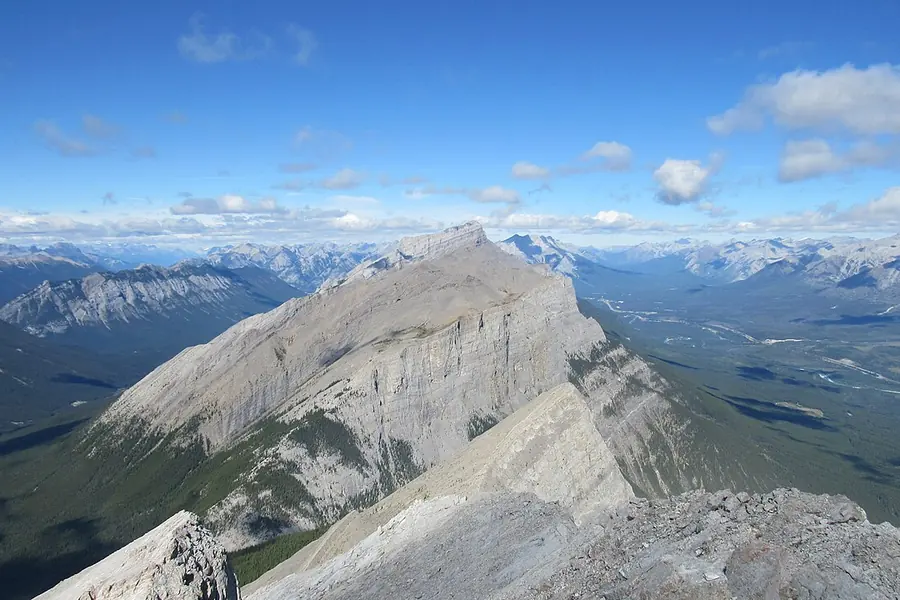
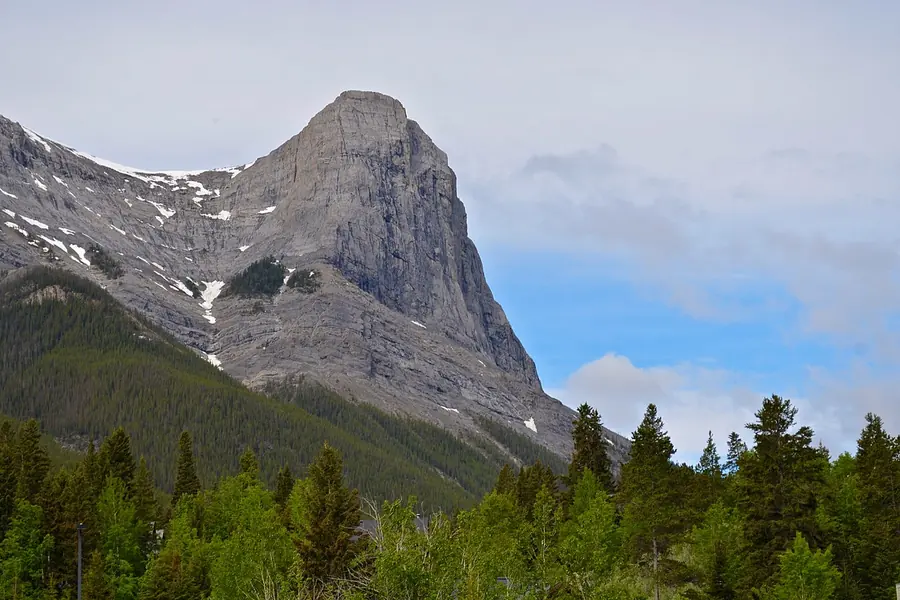
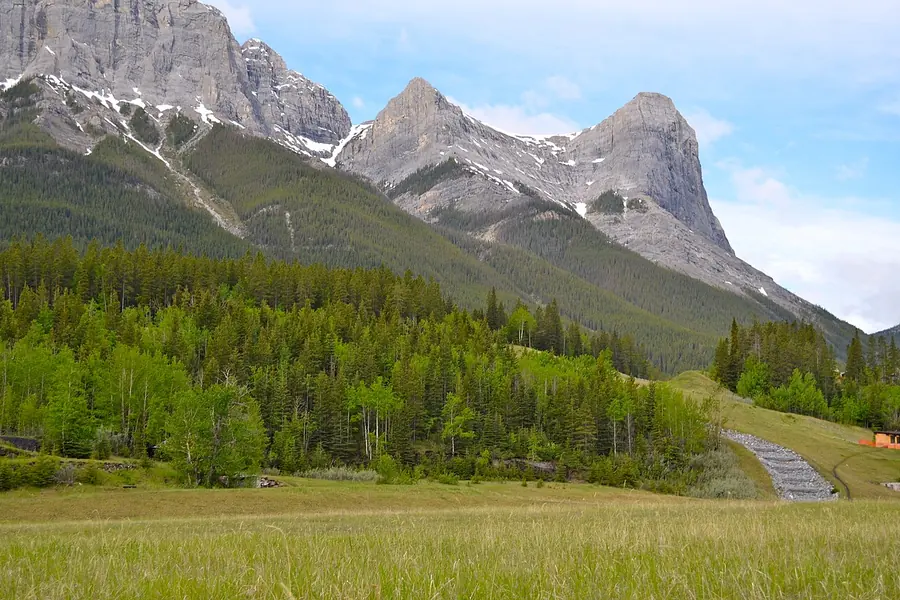
Canmore sits just outside the national park boundary and has quietly become the better base for people who actually live outdoors. Ha Ling Peak is a legitimate mountain hike with a 700m elevation gain and views that justify the suffering.
Ha Ling Peak — summit hike
Up 700 metres of switchbacks, down in two hours, bragging rights that last forever.
Ha Ling Peak (2,407m) overlooks Canmore and the Bow Valley from a 900m-tall northeast face. The trailhead is 5 minutes from downtown Canmore. The 7.4km return hike gains 700m — steep, sustained, and worth every step. Summit views take in Canmore below, the Three Sisters ridgeline, and the entire Spray Lakes corridor. Most fit hikers summit in 2–2.5 hours. Start before 8 AM to avoid afternoon cloud (common in summer) and parking chaos. Trekking poles recommended; trail is rocky near the summit.
An Olympic venue repurposed as an excuse to wander trails with a coffee.
Built for the 1988 Calgary Winter Olympics, the Nordic Centre has 65km of summer trails through forest and meadow above Canmore — great for mountain biking or simply walking with views of the Bow Valley below. The day lodge has decent food and an excellent view. In summer, the biathlon range is open to watch; in winter it becomes one of Alberta's premier cross-country ski venues. Worth 90 minutes even without a plan.
Canmore Brewing Company — dinner
Local craft beer in a town where the view from the patio competes with the pint.
Canmore Brewing has been making mountain-influenced ales since 2014 in a converted industrial space on 10th Street. The patio faces the Three Sisters and the Rundle Range. The food is better than brewery-food usually is — elk burger, house charcuterie, rotating seasonal specials. Order the Mountain Wheat in summer. The après-hike crowd fills it by 6 PM; arrive early or accept a seat inside.
Day 7
Lake Minnewanka + Cave and Basin + Farewell Dinner
The quiet goodbye the Rockies deserve
Last day. Minnewanka is the largest lake in the national park and somehow the least visited of the iconic ones — take advantage. The Cave and Basin is quieter than anything you've visited this week and genuinely fascinating. Dinner at Block is the send-off Banff deserves.
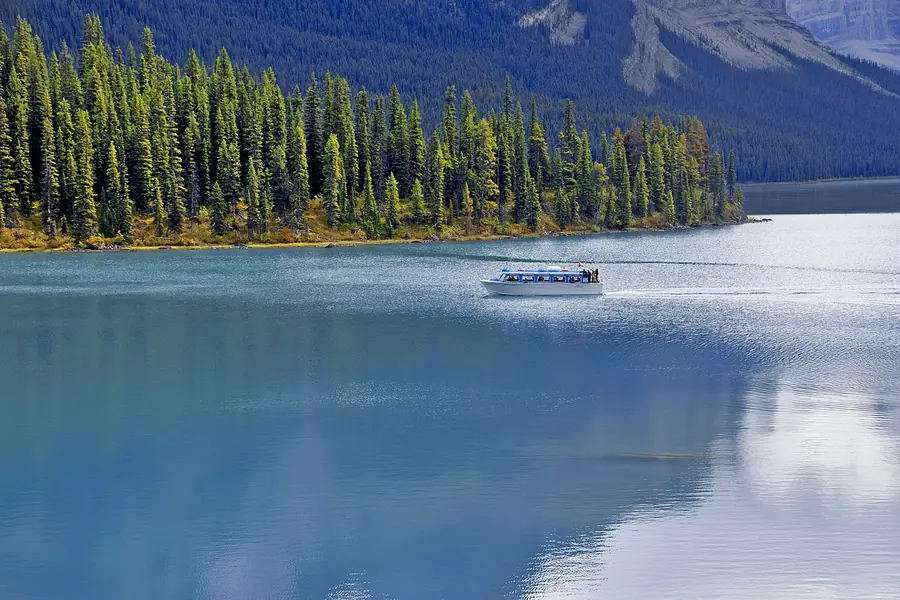
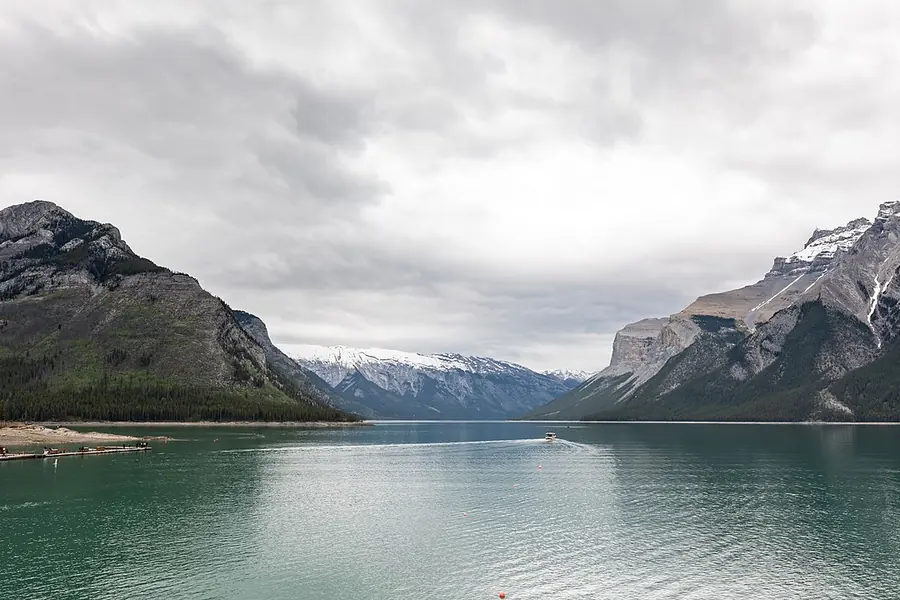
Lake Minnewanka — boat cruise
The biggest lake in the park. Ninety minutes on the water. Zero shuttle reservation required.
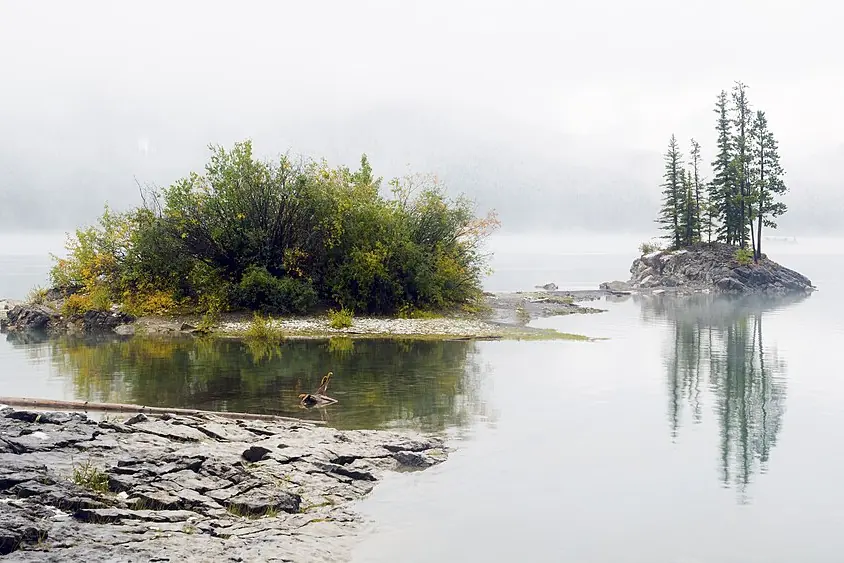
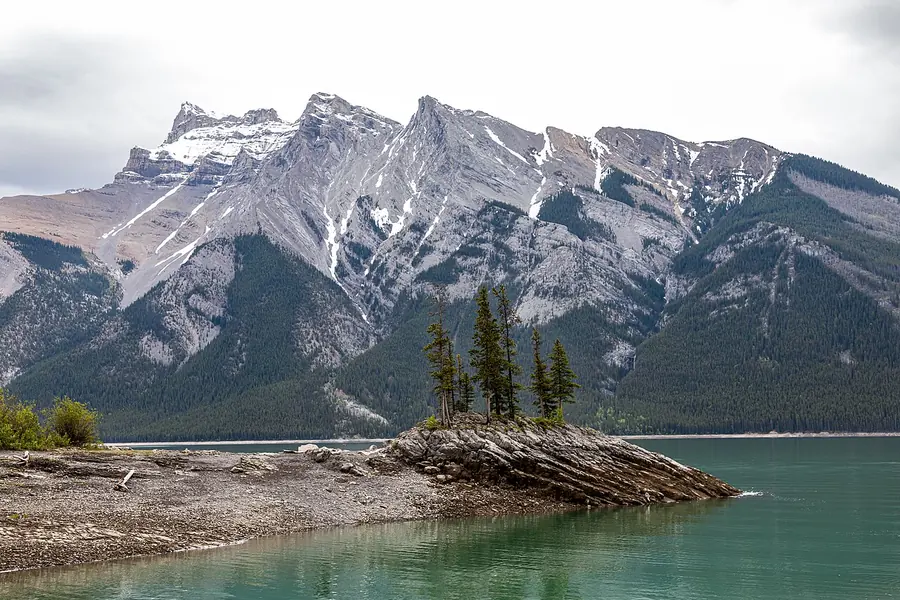
Lake Minnewanka stretches 24km between the Fairholme Range and Ghost Wilderness — the boat cruise covers the main lake and back, narrated, with excellent mountain scenery and a reasonable chance of spotting bighorn sheep on the shore. The cruise departs from the day use area 11km from Banff townsite. No shuttle booking required — vehicles allowed here. The water is cold, blue-grey rather than turquoise (deeper water, different mineral profile), and genuinely beautiful in a less theatrical way than Moraine or Louise.
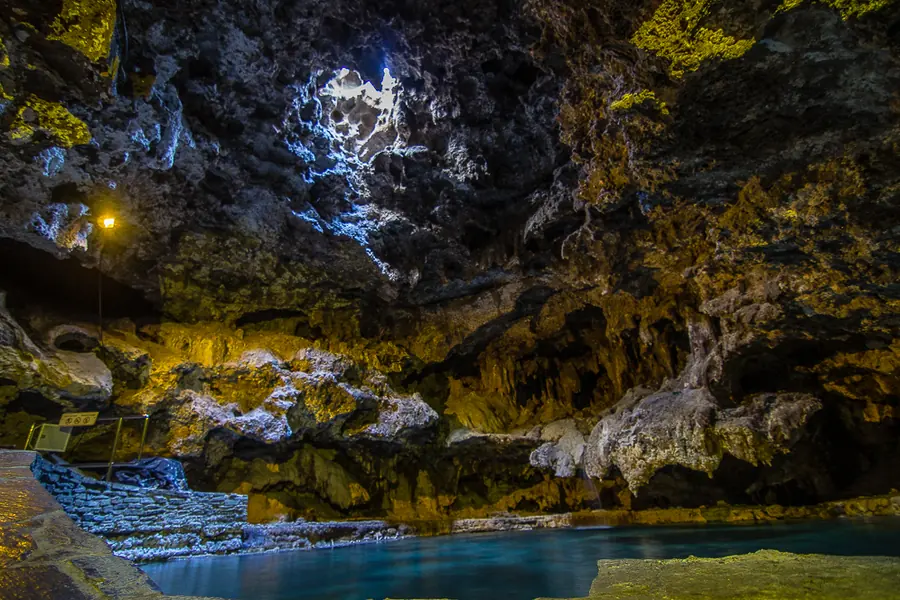
The hot spring that started a national park. Canada's origin story, underground.
In 1883, three Canadian Pacific Railway workers discovered natural hot springs in a limestone cave here and Canada's first national park was declared to protect them. The Cave and Basin site preserves the original cave pool (no longer swimmable but still steaming) and tells the story of Banff's founding — including the complicated history of the Nakoda people who had used these springs for centuries before the railway arrived. The exhibits are honest and absorbing. Allow 90 minutes.
Banff's best restaurant. The elk tartare closes out a week in the mountains correctly.
Block Kitchen is Banff's most consistently excellent restaurant — locally sourced, mountain-influenced, with a wine list that punches well above its townsite-restaurant expectations. The elk tartare is the dish the kitchen is known for; the dry-aged bison ribeye is the dish you'll talk about. Reserve 2–3 days ahead in summer. It sits on Bear Street, which is the quieter, better-restaurants end of Banff town. End with the whisky selection and watch the last of the light fade over Mount Rundle.
Banff National Park has a geology problem: it is too beautiful to be plausible. The lakes are the colour of swimming pools that someone has somehow made look natural. The mountains are the kind that belong in a fantasy novel. The wildlife — elk, bighorn sheep, the occasional grizzly from a respectful distance — keeps wandering into frame at exactly the wrong moment for your photo composition.
This itinerary is built around one heresy: you cannot see Banff in a random order. The difference between a good Banff trip and a great one is sequence — and, critically, logistics. Moraine Lake without a shuttle reservation is a 3-hour round-trip bus detour. The Columbia Icefield without a pre-booked Glacier Adventure slot is a 90-minute queue in the gift shop. The planning is the trip.
The 2/3/4/7-day versions share the same DNA but operate at different speeds. Two days is the sprint to the must-sees. Seven days is the version where you develop a favourite trailhead café and argue (correctly) that Peyto Lake is underrated.
The Lakes Compared
Banff has four iconic lakes, each with a distinct character and logistical profile. Here’s how they stack up:
Lake
Colour
Crowd Level
Vehicle Access
Best Time
Moraine Lake
Electric turquoise
Extreme (shuttle only)
None — shuttle required
Sunrise, June–August
Lake Louise
Turquoise-blue
Very high
Car park (arrives early)
Early morning
Peyto Lake
Vivid turquoise
Moderate
Car park + 400m walk
Morning
Lake Minnewanka
Blue-grey
Low-moderate
Car park allowed
Any time
The takeaway: Moraine is the most dramatic and the most logistically demanding. Lake Louise is slightly more accessible and only slightly less beautiful. Peyto rewards the extra driving. Minnewanka is the one you have to yourself.
Critical Logistics for Banff
Parks Canada shuttle: Moraine Lake Road is closed to private vehicles from late May to mid-October. The shuttle must be booked in advance at the Parks Canada reservation site — it is not walk-up, it is not standby, and it does sell out in January for July dates. Book early or plan to miss Moraine Lake entirely.
Park pass: Every vehicle entering Banff National Park needs a valid park pass. Buy one at the park gate or online via Parks Canada. An annual Discovery Pass pays off at 7+ days in any national park.
Wildlife: Banff is bear country. Carry bear spray, know how to use it, and hike in groups of four or more on backcountry trails. Parks Canada has current wildlife closure advisories on their website — check before driving the Icefields Parkway.
Altitude: Banff townsite sits at 1,383m; Bow Summit (Peyto Lake) is 2,088m. Some visitors experience mild altitude effects — headache, fatigue — in the first 24 hours. Stay hydrated, avoid heavy alcohol on day one, and don’t schedule your hardest hike on arrival day.
Use the filter above to see exactly which stops apply to your trip length.
This article contains affiliate links marked with rel="sponsored". We may earn a commission at no extra cost to you.