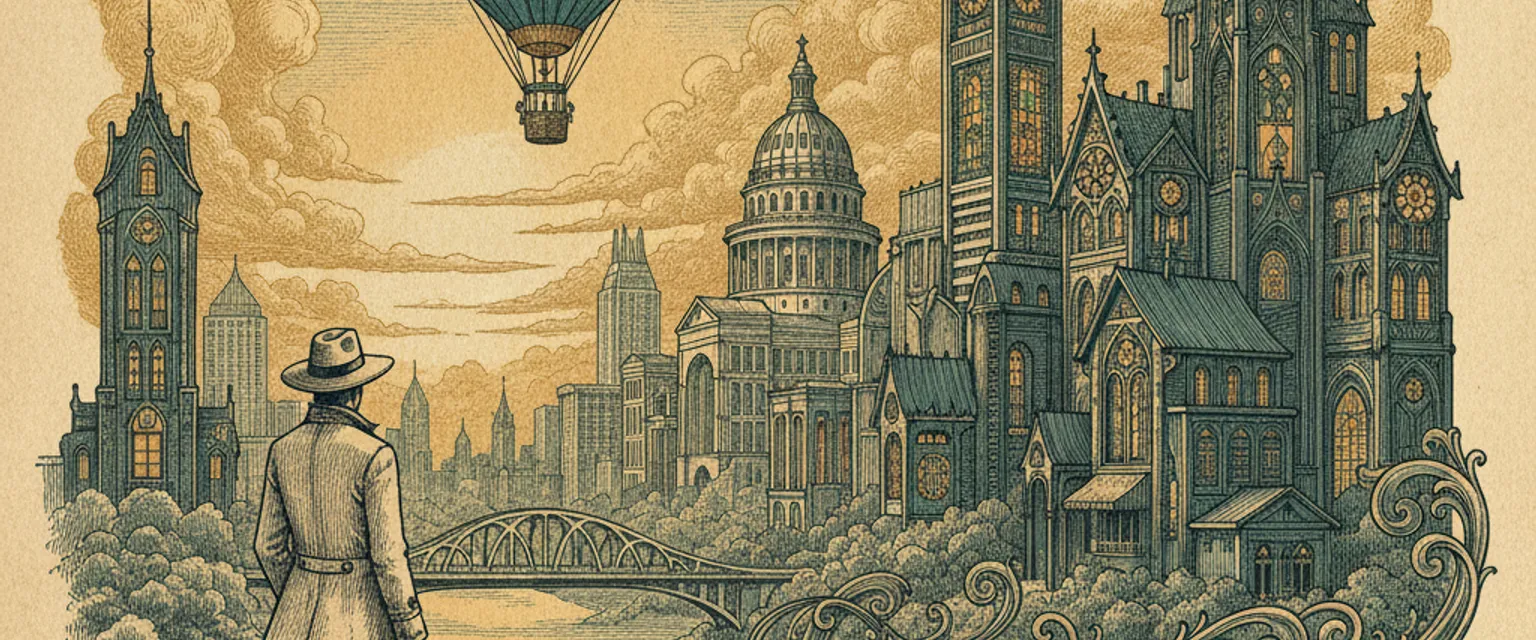
I queued for two hours and eleven minutes outside Franklin Barbecue, which I know precisely because the man behind me narrated the wait like a sports commentator. When I finally got brisket, it was so good I forgave him, the queue, and the 98-degree heat. That night I watched a million and a half bats pour out from under the Congress Avenue bridge while a stranger handed me a cold Lone Star and said, completely sincerely, welcome to Austin. I have been chasing that exact afternoon ever since.
The Perfect Austin Itinerary (2, 3, 4 & 7 Days)
📅 Planning your dates? See the best time to visit Austin — season-by-season weather, crowds, and prices.
Two days hits the essentials. A breakfast taco, a swim at Barton Springs, brisket from a legendary smoker, and live music on a patio. You finish the bat flight under the Congress bridge and understand why people keep moving here despite the August heat.
Be on the Congress Avenue bridge an hour before sunset, March to October, for the bat emergence.
72 Hours: South Congress and the Lake
Three days adds the South Congress strip for shopping and people-watching, a paddle on Lady Bird Lake, and a proper crawl through the Rainey Street bungalow bars. You start to feel the difference between Austin's neighbourhoods rather than just its highlights.
4 Days: Hill Country and the Capitol
Four days buys a drive into the Hill Country for swimming holes and a winery, plus the pink-granite State Capitol and the museums on campus. This is the trip where Austin stops being a long weekend and starts feeling like a place you could live.
7 Days: Austin and Central Texas
A week opens the whole region: a day in dancehall country, a float down a spring-fed river, the LBJ ranch, and enough unscheduled time to find your own taco spot and your own dive bar. You stop checking the barbecue rankings and just eat where the line looks right.
Estimated budget:$320-$560
Estimated budget:$480-$840
Estimated budget:$640-$1120
Estimated budget:$1120-$1960
Day 1
Downtown, BBQ, and the Bats
Brisket, the lake, and a million bats
Franklin Barbecue
The brisket that built the modern barbecue queue, worth every minute of the wait.
Aaron Franklin's brisket is the reason Austin became a barbecue pilgrimage. The bark is peppery, the smoke ring is deep, and the fat renders to butter. They sell out daily, so either join the morning line before opening or reserve ahead online. Order the moist brisket, add ribs, and skip the sides if the line forces a choice.
Lady Bird Lake and the Boardwalk
A ten-mile loop of trail and water in the middle of the city.
Lady Bird Lake is the dammed stretch of the Colorado River that downtown wraps around, ringed by the Ann and Roy Butler hike-and-bike trail. Walk or run the boardwalk section for skyline views, or rent a kayak or paddleboard from a lakeside outfitter. It is the city's living room and the best free thing in town.
Congress Avenue Bridge bats
1.5 million Mexican free-tailed bats stream out at dusk, March through October.
From spring to autumn, the largest urban bat colony in North America roosts under the Congress Avenue bridge and pours out at dusk to feed. It is genuinely one of the great wildlife spectacles, and it is free. Stake out a spot on the bridge or the lawn at the Statesman bat observation area about an hour before sunset and wait for the swarm.
Day 2
Barton Springs and Live Music
A cold swim and a hot show
Barton Springs Pool
A three-acre spring-fed pool that sits at 68 degrees no matter the season.
Barton Springs is a spring-fed natural pool in Zilker Park that holds a constant 68 degrees, bracing in summer and tolerable in winter. It is the soul of Austin, a place where tech workers, students, and old hippies all swim in the same cold water. Go early to beat the crowds and the entry fee before the morning free hours end.
Zilker Park and Botanical Garden
350 acres of green space, the launch pad for kayaks and the city's big festivals.
Zilker Park surrounds Barton Springs with 350 acres of lawns, gardens, and a miniature train, and it hosts the Austin City Limits festival each autumn. Walk over to the Zilker Botanical Garden or rent a canoe from the Zilker boat rental on Barton Creek. Pack a picnic and claim a patch of shade, of which there is never quite enough.
The Continental Club
A 1955 South Congress institution and the best place to see real Austin music.
Forget the frat-bar chaos of Sixth Street and head to the Continental Club on South Congress, open since 1955 and still the gold standard for Austin live music. Roots, blues, rockabilly, and country roll across the small stage most nights. Arrive early for a stool, tip the band, and stay for the late set when the regulars take over.
Day 3
South Congress and Rainey Street
Shopping, the skyline, and bungalow bars
South Congress Avenue (SoCo)
Vintage shops, food trucks, and the I love you so much mural everyone photographs.
South Congress, known as SoCo, is the city's most walkable shopping strip, lined with vintage stores, cowboy-boot emporiums, and food trucks, with a clean shot of the Capitol up the avenue. Browse Allens Boots, grab a cone at Amys Ice Creams, and snap the much-photographed I love you so much mural before lunch from a truck.
Blanton Museum of Art
Texas's premier art museum, home to Ellsworth Kelly's luminous Austin chapel.
The Blanton on the university campus is the largest art museum in Central Texas, with strong Latin American and European collections. The standout is Austin, a free-standing stone building Ellsworth Kelly designed as his only work of architecture, glowing with coloured glass. Allow ninety minutes, more if a touring show is on.
Rainey Street Historic District
A row of old bungalows turned into patio bars, all within stumbling distance.
Rainey Street is a short row of converted 1900s houses, each now a bar with a porch and a yard, packed with food trucks and string lights. It is rowdier than the Continental Club and friendlier than Sixth Street. Start at a craft-cocktail bungalow, work your way down the block, and eat a late-night taco from one of the trucks.
Day 4
Hill Country Escape
Swimming holes, a winery, and the open road
Hamilton Pool Preserve
A collapsed grotto with a jade-green pool and a 50-foot waterfall, west of town.
Hamilton Pool, about 45 minutes west, is a natural pool inside a collapsed limestone grotto, fed by a 50-foot waterfall and shaded by a half-dome of rock. It is one of the most beautiful swimming spots in Texas and requires a timed reservation, so book well ahead. Bring water shoes and check the swimming status, which can close after rain.
Texas State Capitol
Pink granite, taller than the US Capitol, with free self-guided tours.
On the way back into town, the Texas State Capitol is worth an hour: built of distinctive sunset-red granite in 1888 and, in true Texas fashion, deliberately taller than the national Capitol in Washington. The grounds and rotunda are open for free self-guided visits, and the dome interior with its lone-star detail is genuinely impressive.
Day 5
Dancehalls and the River
Two-stepping country and a tube float
Gruene Hall
Texas's oldest dancehall, sawdust floor and all, about an hour south.
Gruene Hall, in the historic district of New Braunfels roughly an hour south, is the oldest continually operating dancehall in Texas, open since 1878. The wooden floor, screen-door breeze, and afternoon music are the real deal. Catch a free daytime set, two-step badly, and have a beer on the gravel patio out back under the oaks.
Float the Guadalupe or Comal River
A lazy tube down a cold, clear, spring-fed river, Texas's favourite summer ritual.
Tubing the Guadalupe or the shorter Comal River near New Braunfels is the quintessential Central Texas summer afternoon: rent a tube, float the cool current for a couple of hours, and let the cypress shade do the rest. Outfitters run shuttles back to the start. Bring a dry bag, sunscreen, and a cooler tube for drinks if the rules allow.
Day 6
LBJ Country and Wildflowers
A presidential ranch and a field of bluebonnets
LBJ Ranch and National Historical Park
Lyndon Johnson's TexWhite House on a working ranch in the Hill Country.
About 90 minutes west near Stonewall, the LBJ Ranch was Lyndon Johnson's lifelong home and his Texas White House. You can drive the ranch loop past longhorns to the house, then visit the reconstructed birthplace and the living-history Sauer-Beckmann farm next door. It is a quiet, surprisingly moving stop and largely free.
Wildseed Farms near Fredericksburg
The country's largest working wildflower farm, ablaze in spring.
Just outside Fredericksburg, Wildseed Farms is the largest working wildflower farm in the United States, a riot of bluebonnets and poppies in spring and a pleasant garden centre the rest of the year. Pair it with an afternoon on Fredericksburg's German-settled Main Street for schnitzel, a brewery, and the Hill Country wine tasting rooms.
Day 7
Slow Austin
Tacos, a museum, and one last patio
Veracruz All Natural breakfast tacos
The migas taco that wins Austin's endless breakfast-taco argument.
Austin runs on breakfast tacos, and Veracruz All Natural, which began as a trailer, makes the migas taco most locals will defend to the death: eggs, tortilla chips, cheese, and pico on a fresh flour tortilla. Find one of their locations, order two, add a fresh watermelon agua fresca, and eat at a picnic table in the sun.
Bullock Texas State History Museum
The full sweep of Texas, from Spanish missions to the moon, told with swagger.
The Bullock Museum near the Capitol tells the story of Texas across three floors with the confidence you would expect, from Indigenous history and the Alamo to oil and NASA. The centrepiece is the salvaged hull of La Belle, La Salles seventeenth-century shipwreck. Allow two hours, and catch an IMAX show if the timing lines up.
Austin is a city that markets itself as weird and is, in truth, more earnest than that slogan suggests. It runs on three things: live music, breakfast tacos, and spring-fed water cold enough to make you gasp. Tech money has reshaped the skyline and the rents, but the things worth flying in for, the bats, the brisket, Barton Springs, the late-night honky-tonk, are stubbornly still here, and mostly still cheap.
This itinerary is built around the heat, which is the one thing every Austin trip has to plan around. The mornings are for queuing for barbecue and swimming; the afternoons are for shade or air conditioning; the evenings are for music on a patio. The longer plans push you out into the Hill Country, which is the real reason Austinites tolerate the August furnace.
The 2/3/4/7-day versions are genuine choices. Two days is the tacos, the swim, the brisket, and the bats. Three adds the neighbourhoods and the bars. Seven gives you dancehalls, river floats, and a presidential ranch, plus enough slack to find your own taco trailer.
How to use this plan
Use the day filter to match your trip length. Each day clusters by area and by time of day, swims and barbecue in the morning, music at night, so you fight the heat instead of the traffic. Downtown and SoCo are walkable; for Hill Country swimming holes, dancehalls, and the LBJ ranch you will need a car. Come in spring for the wildflowers or autumn for the festivals, and never underestimate a Texas summer.
This article contains affiliate links marked with rel="sponsored". We may earn a commission at no extra cost to you.